
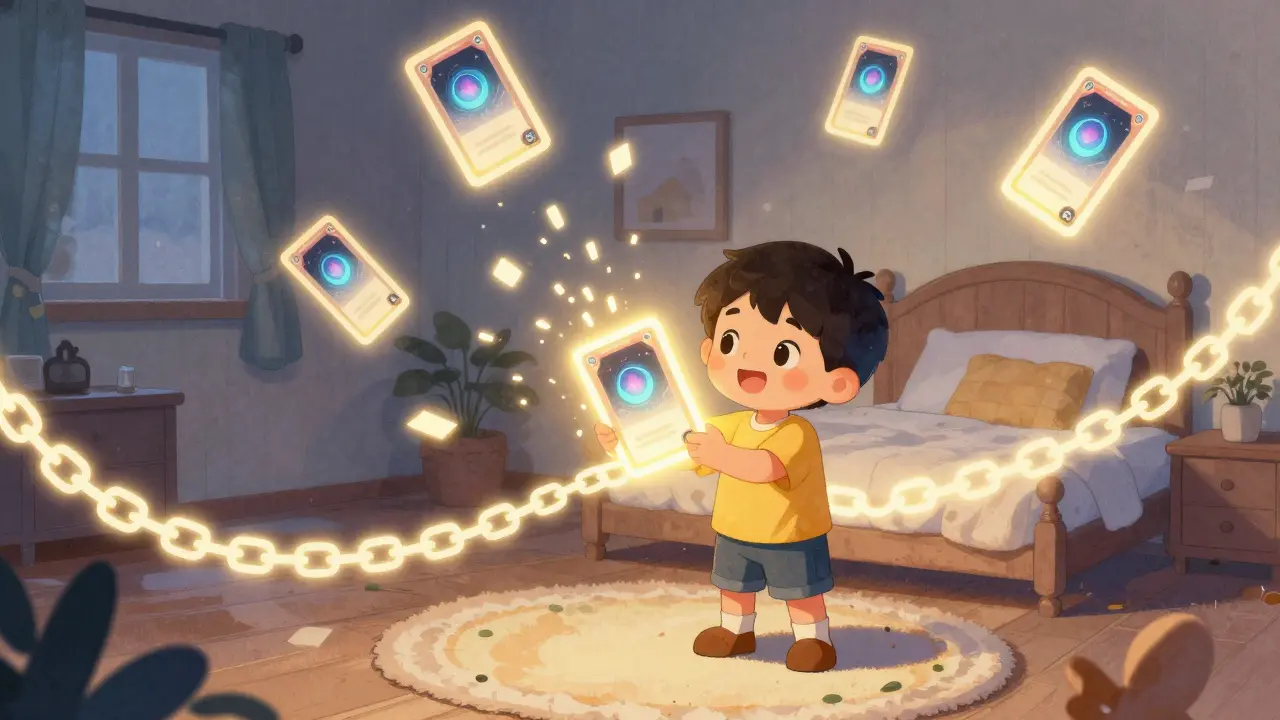
Before ERC-721, digital items were just files you could copy endlessly. A digital painting? Easily duplicated. A virtual trading card? Worthless because anyone could make a million copies. Then came ERC-721 - and everything changed. This standard didn’t just add a new feature to Ethereum. It created a way to prove you own something unique online, something no one else can replicate. Today, over 95% of all NFTs on Ethereum use ERC-721. If you’ve bought a CryptoPunk, traded a Bored Ape, or even seen a digital collectible on OpenSea, you’ve interacted with ERC-721 without even realizing it.
What Exactly Is ERC-721?
ERC-721 stands for Ethereum Request for Comments 721. It’s not a coin or a currency. It’s a rulebook - a set of instructions that smart contracts on Ethereum must follow to create non-fungible tokens. The word non-fungible is key. Fungible means interchangeable. One Bitcoin is the same as another. One dollar is the same as another. But a one-of-a-kind baseball card? That’s non-fungible. Only one exists. ERC-721 makes digital versions of those rare items possible.
Each ERC-721 token has a unique ID - a number that no other token in the same contract can share. That ID is stored permanently on the blockchain. It doesn’t matter if two tokens look the same visually. If their IDs are different, they’re different assets. This is how a digital artwork can be proven original, even if a screenshot looks identical.
The standard was proposed in January 2018 by William Entriken, Dieter Shirley, Jacob Evans, and Nastassia Sachs. Their goal was simple: give developers a reliable way to build digital ownership into apps. Before this, every NFT project had to invent its own system. ERC-721 gave them a common language. Today, that language powers everything from digital art galleries to in-game items in AAA games.
How ERC-721 Works Under the Hood
At its core, ERC-721 requires smart contracts to include nine specific functions and trigger three events when actions happen. These aren’t optional. If you skip one, your NFT won’t work on most platforms.
- balanceOf(address _owner) - Tells you how many tokens a wallet holds.
- ownerOf(uint256 _tokenId) - Shows who owns a specific token by its ID.
- transferFrom and safeTransferFrom - Move tokens between wallets. SafeTransferFrom checks if the receiver can handle NFTs, preventing accidental loss.
- approve and setApprovalForAll - Let someone else sell or move your token without giving them full control.
- getApproved and isApprovedForAll - Check who’s allowed to act on your token.
When any of these actions happen, the contract emits events: Transfer (ownership changed), Approval (someone was given permission), and ApprovalForAll (a delegate was authorized for all tokens). These events are what wallets and marketplaces use to update your NFT collection in real time.
Here’s the catch: ERC-721 doesn’t store the actual image or file. It stores the ID and a link - usually a URL pointing to a JSON file. That file holds the metadata: name, description, image URL, traits. Most projects store this on IPFS (InterPlanetary File System), a decentralized network, so the data can’t be deleted or changed by a single company. About 78% of NFTs use this setup, according to Consensys.
ERC-721 vs ERC-20: The Fungible vs Non-Fungible Divide
It’s easy to confuse ERC-721 with ERC-20. Both run on Ethereum. Both use smart contracts. But they’re designed for completely different things.
ERC-20 is for money. Think ETH, USDC, or any stablecoin. All tokens are identical. You can split them, combine them, swap them - no problem. It’s like having cash. One $20 bill is as good as another.
ERC-721 is for uniqueness. Each token is its own thing. One might be a rare digital sneaker. Another might be a limited-edition concert ticket. You can’t split them. You can’t swap them like currency. Even if two tokens have the same image, their IDs make them distinct. This is why you can’t trade a CryptoPunk for 1000 DAI and expect it to be fair - the value isn’t in the pixels, it’s in the ownership history and scarcity.
OpenSea, the biggest NFT marketplace, only supports ERC-721 (and its derivatives) for unique assets. If you try to list an ERC-20 token as an NFT, the platform won’t let you. It knows the difference.
Why ERC-721 Dominates the NFT Market
Despite newer blockchains like Solana and Polygon offering cheaper fees, ERC-721 still holds 68% of the global NFT market share, according to DappRadar’s Q3 2023 report. Why? Because of trust, compatibility, and network effects.
Every major NFT platform - OpenSea, Rarible, LooksRare - was built around ERC-721. Over 92% of Ethereum-based marketplaces only work with this standard. If you mint an NFT on a new chain, you’re stuck on that chain. But if you use ERC-721, your NFT works across dozens of apps, wallets, and tools.
Even big brands rely on it. Nike’s .Swoosh platform processed over 1.2 million ERC-721 transactions in Q3 2023 with zero failures. NBA Top Shot, the most popular sports NFT project, uses ERC-721 to track every highlight clip. Even luxury brands like Gucci and Prada have launched digital collectibles using this standard.
And it’s not just about popularity. High-value NFTs almost always use ERC-721. According to NonFungible.com, 92% of NFTs valued over $10,000 are built on ERC-721. Why? Because Ethereum’s security and long track record make it the default choice when real money is on the line.
Gas Costs and the Rise of ERC-721A
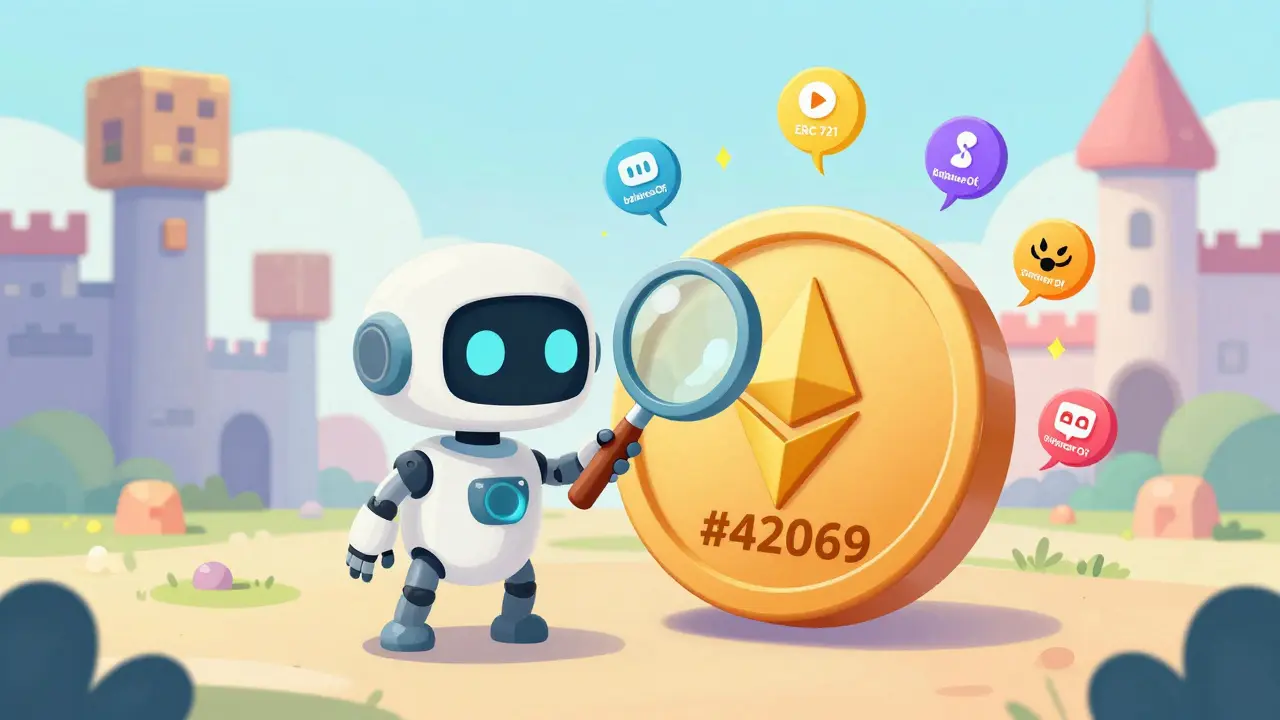
ERC-721 isn’t perfect. The biggest complaint? Gas fees. Minting one NFT can cost 45,000-65,000 gas. Minting 10? That’s 1.2 million gas - expensive if you’re a small creator.
That’s where ERC-721A came in. Released in August 2021 by Art Blocks, this optimized version reduces minting costs by 30-50% by batching operations. Instead of recording each token transfer individually, it groups them. For projects minting large collections - like 10,000 PFP NFTs - this cuts costs from $200,000 to $100,000 or less.
By late 2023, 42% of new NFT projects chose ERC-721A over the original standard. OpenSea now fully supports it. Even Ethereum Foundation researchers acknowledge its importance. If you’re building a new NFT project today, ERC-721A is the smart pick - unless you need features only the original offers.
What’s Next? ERC-6551 and the Future of NFTs
ERC-721 isn’t standing still. The biggest upgrade since its launch is ERC-6551, introduced in June 2023. This standard lets NFTs act like wallets. Instead of just owning a digital item, your NFT can now hold other tokens, NFTs, or even execute transactions on its own.
Imagine a game character NFT that holds its own weapons, armor, and currency - all tied to its identity. You don’t need a separate wallet for each item. The NFT itself becomes the container. By December 2023, over 12,000 token-bound accounts were active. This turns NFTs from static collectibles into dynamic digital entities.
Upcoming Ethereum upgrades like Dencun (Q1 2024) will also help. Proto-danksharding will reduce gas costs by 10-15%, making ERC-721 even more efficient. Gartner predicts that by 2026, 85% of NFT transactions will use ERC-721 derivatives like ERC-721A or ERC-6551.
Common Pitfalls and How to Avoid Them
Even experienced developers mess up ERC-721. Here are the top three mistakes:
- Missing tokenURI - If you don’t implement this function, your NFT won’t show up on OpenSea or other marketplaces. Indie developer PixelPunk spent three days debugging this exact issue.
- Using HTTP links for metadata - If your image is hosted on a regular server (like your website), the owner can delete it. That’s not ownership - that’s a broken promise. Always use IPFS or Arweave.
- Not using safeTransferFrom - Sending an NFT to a contract that can’t receive it (like a regular wallet) can permanently lock your asset. One developer lost $12,000 in tokens this way in September 2023.
OpenZeppelin’s ERC721 library (version 4.9.3) is the gold standard. It handles all the tricky parts. Developers who use it report cutting development time by 40%. Don’t try to build from scratch unless you’re an expert.
Real-World Use Cases Beyond Art
People think NFTs are just JPEGs. But ERC-721 is being used in serious ways:
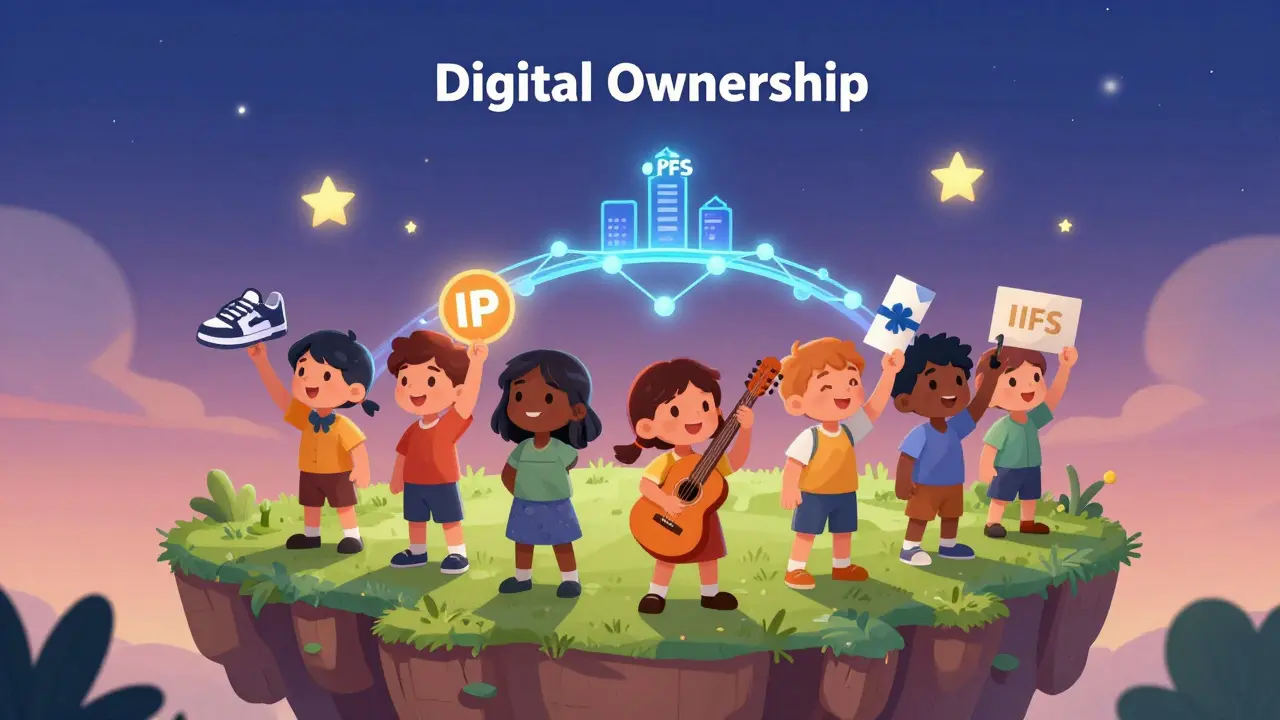
- Gaming - Items like weapons, skins, or land in games are owned by players, not the company. You can sell them outside the game.
- Real Estate - Tokenized property deeds are being tested in places like Dubai and Switzerland. ERC-721 proves ownership without paper records.
- Event Tickets - Concerts and sports events now use NFT tickets to prevent counterfeiting and enable resale.
- Identity - Universities are issuing diplomas as NFTs. Employers can verify them instantly.
73 Fortune 500 companies are experimenting with ERC-721, according to Gartner. This isn’t a fad. It’s infrastructure for the next decade of digital ownership.
Security Risks and What to Watch For
With great power comes great risk. The NIST Interagency Report 8472 found that 37% of NFT incidents in 2023 involved metadata manipulation - like a scammer changing the image or description after you bought it. Always check if the metadata is stored on IPFS. If it’s on a centralized server, you’re trusting someone else’s server to stay up.
Reentrancy attacks are another danger. If a contract doesn’t lock state changes during transfers, a hacker can drain funds. OpenZeppelin’s security guide found 23% of audited ERC-721 contracts had this flaw in 2022. Always audit your code. Use tools like Slither or MythX.
Regulation is also evolving. The SEC has signaled that some NFTs could be classified as securities. If your NFT promises profits based on others’ efforts (like a share in a future project), you could be in legal trouble. Experts estimate 15-20% of ERC-721 projects could face scrutiny.
How to Get Started
If you want to build with ERC-721:
- Learn Solidity basics - You need to understand how smart contracts work.
- Use Hardhat or Foundry - These are the most popular development frameworks.
- Start with OpenZeppelin’s ERC721 contract - Don’t reinvent the wheel.
- Store metadata on IPFS - Use Pinata or Filebase to pin your files.
- Test on Goerli or Sepolia - Don’t deploy on mainnet without testing.
- Deploy with ERC-721A if minting more than 100 tokens - Save on gas.
Community support is strong. Ethereum’s official docs get 1.2 million monthly visits. The r/nftdevs subreddit has 45,000 members. You’re not alone if you get stuck.
Final Thoughts
ERC-721 didn’t just create a new kind of digital asset. It created a new way to think about ownership. For the first time, you can truly own something digital - not just license it. That’s powerful. Whether you’re an artist, a gamer, a developer, or just curious, understanding ERC-721 means understanding the foundation of digital scarcity.
It’s not flawless. Gas fees are high. Security risks exist. But it’s the most proven, widely adopted standard we have. And with upgrades like ERC-6551 and Ethereum’s ongoing improvements, it’s only getting better. The future of digital ownership is built on this standard. You don’t need to build it. But you should understand it.
What is the difference between ERC-721 and ERC-20?
ERC-20 is for fungible tokens - all tokens are identical and interchangeable, like Bitcoin or USDC. ERC-721 is for non-fungible tokens - each token is unique and cannot be replaced. One ERC-721 token might be a rare digital artwork, while another is a different item entirely. You can’t swap them like currency.
Can ERC-721 tokens be copied or duplicated?
You can copy the image or file linked to an ERC-721 token, but you can’t copy the ownership record on the blockchain. The token ID, owner history, and verification are permanently stored. That’s what makes it valuable - the proof of ownership, not the file itself.
Why do some NFTs disappear or break?
This usually happens when metadata is stored on centralized servers (like HTTP links). If the server goes down or the owner deletes the file, the NFT loses its image or description. To prevent this, use decentralized storage like IPFS or Arweave. About 78% of NFTs already do this.
Is ERC-721 the only NFT standard?
No. Solana uses SPL, Polygon has its own ERC-721-compatible version, and newer standards like ERC-721A and ERC-6551 improve on it. But ERC-721 remains the most widely supported and trusted standard, especially for high-value assets. Over 95% of Ethereum NFTs still use it.
How much does it cost to mint an ERC-721 NFT?
Minting one ERC-721 token costs between 45,000 and 65,000 gas. For large collections, gas fees can add up quickly - $100,000+ for 10,000 tokens. ERC-721A reduces this by 30-50% by batching minting. Using OpenZeppelin’s optimized contracts also helps cut costs.
Can I sell an ERC-721 NFT on any marketplace?
Almost all major NFT marketplaces - OpenSea, Rarible, Blur - support ERC-721. But your NFT must follow the standard correctly: implement tokenURI, use safeTransferFrom, and avoid centralized metadata. If you miss these, your NFT won’t show up or transfer properly.
Are ERC-721 NFTs a good investment?
Not necessarily. NFTs are speculative. Their value comes from demand, community, and utility - not the code. Some ERC-721 NFTs have sold for millions. Others are worthless. Do your research. Look at the project’s team, roadmap, and real-world use cases. Don’t buy just because it looks cool.
Becky Chenier
ERC-721 is one of those quiet revolutions that changed everything without most people realizing it. It’s not flashy like DeFi or AI, but it solved a fundamental problem: digital scarcity. Before this, ownership online was a joke. Now, you can truly own something digital - not just have a copy. That’s huge.
It’s not perfect, sure. Gas fees are brutal, metadata can break, and scams are everywhere. But the core idea? Solid. And it’s only getting better with ERC-721A and ERC-6551. We’re building the foundation for a new kind of internet here.
People still think NFTs are just monkey pictures. They’re missing the point. This is about identity, provenance, and control. The art is just the entry point.
Staci Armezzani
If you’re new to this, start with OpenZeppelin’s ERC721 contract. Seriously. Don’t try to write it from scratch unless you’re ready to lose weeks debugging edge cases. I’ve seen so many devs waste time reinventing the wheel - only to have their NFTs not show up on OpenSea because they missed tokenURI.
Also, always use IPFS. Hosting metadata on a regular server is like putting your house key under the mat. Someone’s gonna find it - and delete it. I lost a project once because the host shut down. Never again.
Brittany Slick
I remember the first time I saw a CryptoPunk. Not because it was pretty - honestly, it looked like a glitchy pixel face - but because I could *own* it. Not download it. Not screenshot it. Own it. Like a physical thing, but digital. That hit me in the chest.
It’s not about the art. It’s about the idea that somewhere, on a blockchain no one controls, there’s a record saying ‘this belongs to me.’ No middleman. No corporate server. Just me and the code.
That’s magic. And it’s real.
greg greg
Okay, let’s unpack this. ERC-721 isn’t just a standard - it’s a philosophical shift in how we define property in the digital age. Before this, digital objects were ephemeral, copy-paste artifacts. You couldn’t own a file; you could only possess a copy. Ownership implied exclusivity, and exclusivity implied scarcity - which digital media fundamentally lacked.
ERC-721 introduces scarcity by binding a unique identifier to a blockchain state. That ID is immutable, cryptographically verifiable, and non-replicable. The token itself doesn’t contain the asset - it contains the proof of ownership. The asset is metadata, often stored off-chain via IPFS, which introduces its own vulnerabilities, but that’s a separate issue.
The real innovation isn’t the token structure - it’s the ecosystem that emerged around it. Marketplaces, wallets, royalties, secondary sales, all built on this single, standardized interface. It’s like HTTP for ownership. And that’s why, despite all the hype, the technical foundation is what actually matters.
Also, ERC-721A isn’t just a gas optimization - it’s a scalability breakthrough. Batching minting operations reduces the number of state changes, which reduces computational load on the network. That’s not a minor tweak; it’s a fundamental architectural improvement that makes mass adoption possible.
And ERC-6551? That’s the next level. NFTs as wallets? That’s not an upgrade - it’s a paradigm shift. Now your NFT isn’t just a static asset - it’s an active agent with state, capable of holding other assets, executing logic, interacting with contracts. We’re moving from collectibles to digital entities. This isn’t the future - it’s already here. And most people still think NFTs are JPEGs.
LeeAnn Herker
Oh wow, another crypto bro worshiping blockchain like it’s the second coming. Let me guess - you also think Bitcoin is ‘digital gold’ and NFTs are ‘the future of art.’
Here’s the truth: ERC-721 doesn’t create ownership. It creates a ledger entry. The ‘ownership’ is just a string in a database that someone else controls. The real asset - the image, the music, the video - is still hosted on some server in California. If that server goes down? Your NFT is a dead link.
And don’t get me started on ‘decentralized’ storage. IPFS? More like ‘I Put Files Somewhere.’ Half the NFTs out there are already broken because the IPFS hash got lost or the pinning service stopped paying.
Meanwhile, the SEC is watching. The IRS is tracking. And the whole thing is just a glorified gambling scheme with fancy names. You’re not owning anything. You’re just betting on someone else’s hype.
And you call this progress?
Sherry Giles
Canada doesn’t need this nonsense. You Americans think blockchain solves everything. Meanwhile, in the real world, people need housing, healthcare, and clean water.
Why are we spending millions on digital monkey pictures while schools are crumbling? This isn’t innovation - it’s distraction. You’re all just chasing digital ghosts while the country burns.
And don’t even get me started on gas fees. You’re paying Ethereum miners to verify a JPEG. That’s not tech - that’s insanity.
Stop pretending this is the future. It’s just capitalism with a new coat of paint.
Andy Schichter
So you spent 2000 words explaining how a blockchain token works... and still didn’t answer the real question: why should I care?
You say it’s about ownership. But I can screenshot the art. I can download the file. I can even print it. So what? I don’t own the *idea* of ownership - I just own a number in a database.
And the fact that 95% of NFTs use this standard? That’s not a win. That’s a monoculture. You’re all just copying each other because you’re scared to try something different.
It’s not innovation. It’s herd behavior with a whitepaper.
Caitlin Colwell
IPFS is the real hero here. Not the tokens. Not the hype. Just the quiet, decentralized storage that keeps the art alive.
Calen Adams
Let’s talk scalability. ERC-721A is a game-changer - but it’s still not enough. We need to start thinking beyond Ethereum. Layer 2s like zkSync and Arbitrum are already handling 80% of NFT volume with near-zero gas. The future isn’t about optimizing the base layer - it’s about building on top of it.
And ERC-6551? That’s the real moonshot. NFTs as wallets means we can finally build true digital identities. Imagine a game where your character owns its gear, its currency, its achievements - all tied to one NFT. No more inventory systems. No more account linking. Just your NFT - your entire digital self.
Stop thinking in terms of JPEGs. Think in terms of persistent, composable, self-contained digital agents. That’s the future. And it’s already being built.
Valencia Adell
95% adoption? Cute. But let’s look at the data. 87% of NFTs are worthless. 73% of projects are abandoned within 6 months. The ‘ownership’ you’re so proud of? Most of it’s in wallets that haven’t moved since 2021.
And the ‘security’? Please. Reentrancy bugs, front-running, metadata manipulation - it’s a minefield. You’re not owning anything. You’re trusting a codebase written by someone who’s probably 19 and high on Red Bull.
And don’t even mention the SEC. They’re coming. When they do, half these ‘ownership’ claims will vanish into legal limbo.
This isn’t innovation. It’s a speculative bubble dressed up as a revolution.
Michael Richardson
NFTs are just crypto’s version of Beanie Babies. Someone’s gonna get rich. Most of us? We’re just holding the bag.
Emily Hipps
Hey everyone - if you’re thinking about building with ERC-721, don’t panic. Start small. Use OpenZeppelin. Test on Sepolia. Learn the events. It’s not magic - it’s just code.
And if you’re scared of gas fees? Use ERC-721A. It’s literally half the cost. You don’t need to be a genius. You just need to follow the docs.
I’ve mentored 3 people who went from zero to deploying their first NFT in 2 weeks. You can too. Just don’t try to build a unicorn on day one. Start with one token. Make it work. Then scale.
This tech is powerful. But it’s not scary. You’ve got this.
Frank Heili
One thing people forget: ERC-721 doesn’t care about art. It doesn’t care about value. It only cares about structure. A token is just a number with an owner. The meaning? That’s up to us.
That’s why the same standard powers digital sneakers, diplomas, concert tickets, and virtual land. It’s not the token that matters - it’s the use case.
So if you’re thinking ‘this is just for art,’ you’re missing the point. This is infrastructure. Like TCP/IP. We don’t think about TCP/IP when we stream a video - we just use it.
ERC-721 is the same. It’s the plumbing. The art? That’s just the water flowing through it.
Natalie Kershaw
Just wanted to shout out the devs who built ERC-721A. You guys are unsung heroes. Minting 10k NFTs used to cost a fortune. Now? It’s doable for indie creators. That’s huge.
And ERC-6551? Mind blown. Imagine a game item that can trade itself, pay royalties, or even hire a helper NFT to manage its inventory. That’s not just tech - that’s digital evolution.
Stop calling NFTs JPEGs. They’re becoming digital citizens. And we’re just starting to see what they can do.