Crypto Derivatives: Futures, Options, Swaps & More
When you hear crypto derivatives, financial contracts that derive value from underlying crypto assets. Also called digital derivatives, they let you trade price moves without owning the coin itself.
One common type is futures, standardized contracts that lock in a price for a cryptocurrency at a future date. Futures give traders a direct way to hedge or speculate, and they usually settle in cash or the underlying token. Crypto derivatives encompass futures, which require a margin account and a clear expiration schedule.
Another key player is options, rights, but not obligations, to buy or sell a crypto at a preset strike price before expiry. Options add flexibility because you can choose to exercise only if the market moves in your favor. This flexibility influences how traders manage risk and design complex strategies.
Then there are perpetual swaps, contracts that mimic futures but never expire, using a funding rate to keep prices anchored to spot. Perpetual swaps are popular on high‑leverage platforms, letting you stay in a position as long as you can meet the funding payments. They illustrate how crypto derivatives require continuous collateral monitoring.
Pricing all these contracts leans heavily on a volatility index, a metric that quantifies how wildly a crypto’s price swings over a set period. The Bitcoin Volatility Index (BVX), for example, feeds into futures and options premiums, because higher volatility means higher risk, which translates into larger option premiums or wider futures spreads.
Because every derivative contract is leveraged, margin management becomes crucial. Margin accounts hold collateral—often a stablecoin or the underlying asset—to cover potential losses. If the market moves against you, the platform may trigger a margin call, forcing you to add more funds or face liquidation.
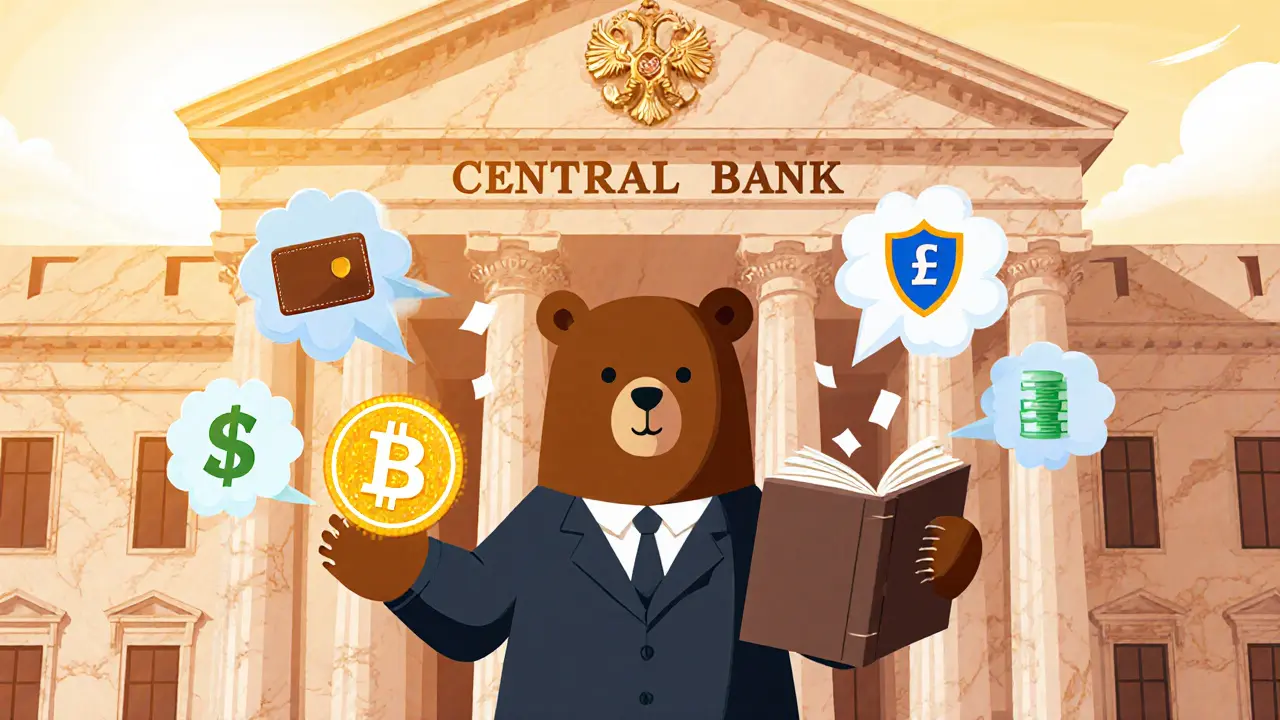
Regulation adds another layer of complexity. Recent court rulings and central bank policies across India, Brazil, and Iraq shape where and how derivatives can be offered. Traders need to be aware of local AML rules and tax implications, especially when using cross‑border platforms.
Choosing the right platform matters too. Exchange reviews show that fee structures, security track records, and available leverage differ widely between sites like Phemex, KyberSwap, or NeutroSwap. A solid platform gives you reliable order books, clear funding rate calculations, and transparent margin requirements.
Below you’ll find a curated list of articles that dive deeper into each of these topics— from energy‑efficient consensus mechanisms that affect token supply, to detailed airdrop guides, to country‑specific regulatory overviews. Browse the collection to sharpen your strategy, understand the risks, and stay ahead in the fast‑moving world of crypto derivatives.