Crypto Trading in Algeria
When people talk about crypto trading Algeria, the practice of buying, selling, and holding digital currencies like Bitcoin and Ethereum within Algeria. Also known as digital currency trading in Algeria, it's become a lifeline for many who can't access traditional banking or want to protect their savings from inflation. While Algeria officially banned financial institutions from handling crypto in 2018, that didn’t stop people from using it. Thousands now trade on peer-to-peer platforms, use VPNs to access global exchanges, and even mine Bitcoin using cheap electricity.
The real driver? A collapsing dinar and strict currency controls. When you can’t easily buy dollars or send money abroad, crypto becomes the only way to preserve value. Bitcoin and USDT are the most traded, not because they’re flashy, but because they’re stable and widely accepted. People buy them from local traders on Telegram or Facebook groups, then hold or resell when the rate moves. Some even use crypto to pay for imported goods or send remittances to family overseas—something banks won’t let them do.
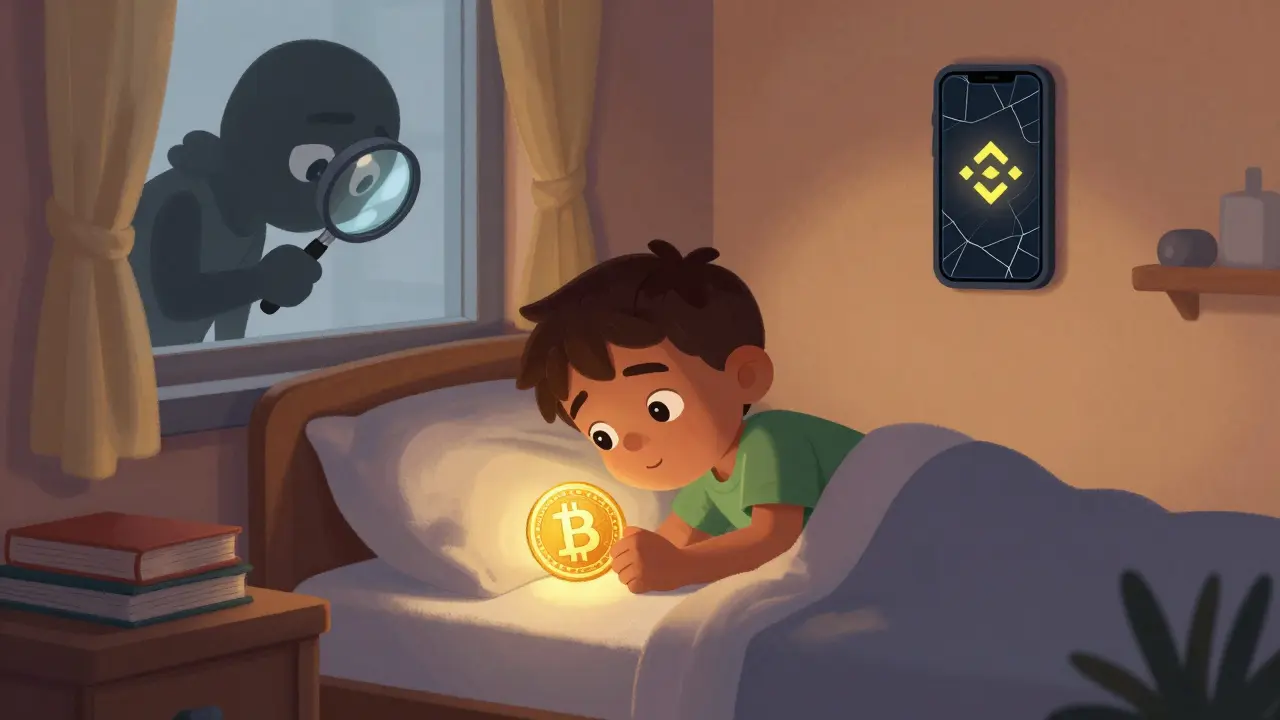
But here’s the catch: there’s no legal protection. If you get scammed on a P2P trade, the police won’t help. If an exchange freezes your funds, you have no recourse. And while the government hasn’t cracked down on individuals yet, they’ve blocked dozens of crypto-related websites and fined businesses that accept crypto payments. That’s why most traders keep a low profile. They don’t advertise. They don’t talk to strangers. They use cash or mobile money for P2P deals and never leave large sums on exchanges.
What’s surprising is how fast the community is growing. Algerian crypto forums have doubled in size since 2022. Local meetups—quiet ones, held in cafes or homes—are popping up in Algiers, Oran, and Constantine. Young people, especially, see crypto as a way out of economic stagnation. They’re not chasing moonshots. They’re learning how to spot scams, manage risk, and use simple tools like Trust Wallet or MetaMask to keep their coins safe. Some even use crypto to access global freelance jobs, getting paid in USDT instead of waiting weeks for bank transfers that might never come.
And it’s not just Bitcoin. Stablecoins like USDT and BUSD are the real workhorses here. They’re used for daily transactions, savings, and even small business payments. Meme coins? Barely a blip. No one in Algeria is risking their rent money on a new token with no utility. The focus is survival, not speculation.
If you’re trading crypto in Algeria, you’re not just investing—you’re navigating a system designed to keep you out. That means you need to be smarter, more cautious, and more informed than traders anywhere else. You need to know which exchanges still work, how to verify a P2P seller, and when to walk away. The posts below give you exactly that: real stories, hard lessons, and practical advice from people who’ve been there. No fluff. No hype. Just what you need to stay safe and make it work.