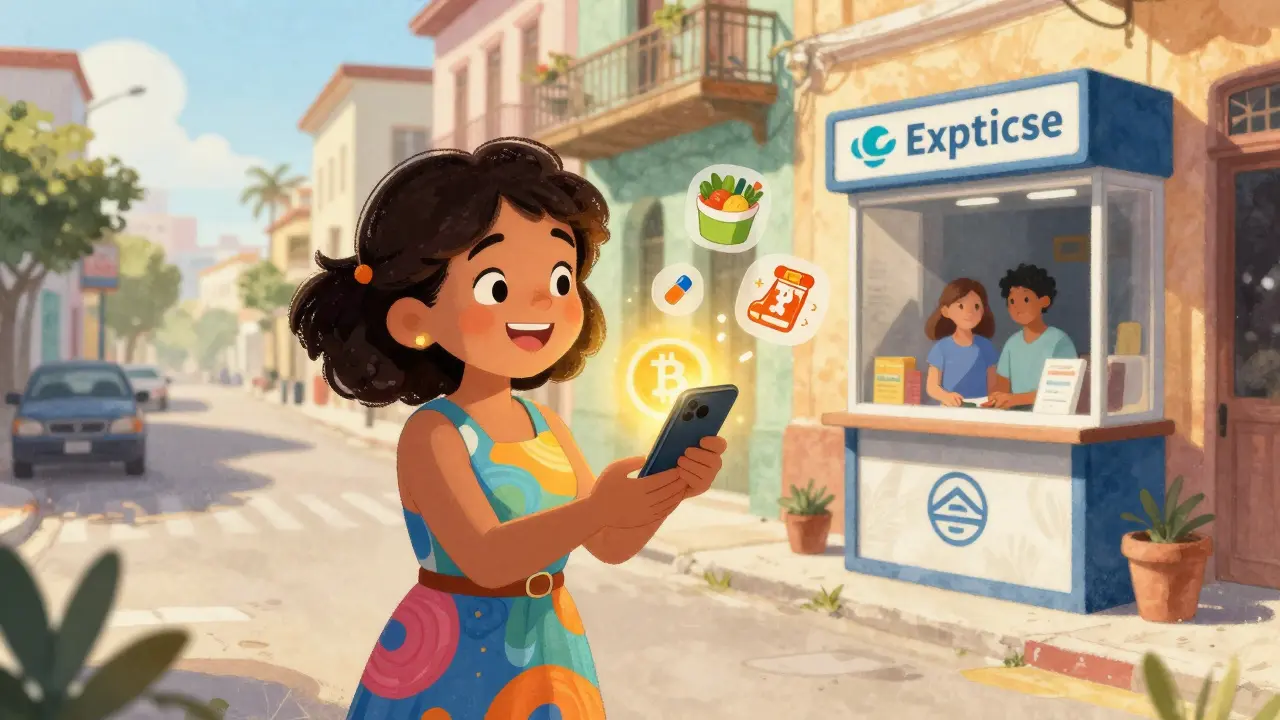
Bitcoin in Cuba: How Crypto Is Changing the Island's Economy
When the Cuban government banned foreign currency transactions in 2021, citizens didn’t stop trading—they switched to Bitcoin, a decentralized digital currency that operates outside state control. Also known as BTC, it became the only reliable way for families to receive money from abroad and buy essentials like medicine and food. With inflation hitting 600% and state salaries worth less than $10 a month, Bitcoin wasn’t a luxury—it was survival.
How did this happen? Cubans started using peer-to-peer (P2P) crypto exchanges, direct trading platforms that connect buyers and sellers without banks. Also called OTC crypto, these platforms let users trade Bitcoin for Cuban pesos through cash meetups, WhatsApp, or local marketplaces. The Cuban peso, the official currency crippled by government mismanagement lost value fast, but Bitcoin held steady. Even state-owned telecoms began offering crypto payment options for mobile data, turning internet access into a gateway for financial freedom.
It’s not just about buying food. Crypto remittances, digital money sent from family overseas now make up over 40% of all foreign inflows to Cuba—more than tourism or sugar exports. In Havana, you’ll find street vendors accepting Bitcoin for empanadas. In Santiago, doctors use it to pay for imported insulin. The government can block banks, but it can’t shut down a global network of nodes running on smartphones.
There are risks. The state monitors crypto activity. Some users have been arrested for unlicensed trading. Electricity shortages make mining impossible. But the truth is simple: when your country’s economy collapses, you don’t wait for permission—you use what works. Bitcoin in Cuba isn’t a speculative asset. It’s a tool. A bridge. A backup system built by ordinary people who refused to starve.
Below, you’ll find real stories, technical breakdowns, and warnings about scams targeting Cubans trying to access crypto. These aren’t theory pieces—they’re field reports from the frontlines of digital resistance.