
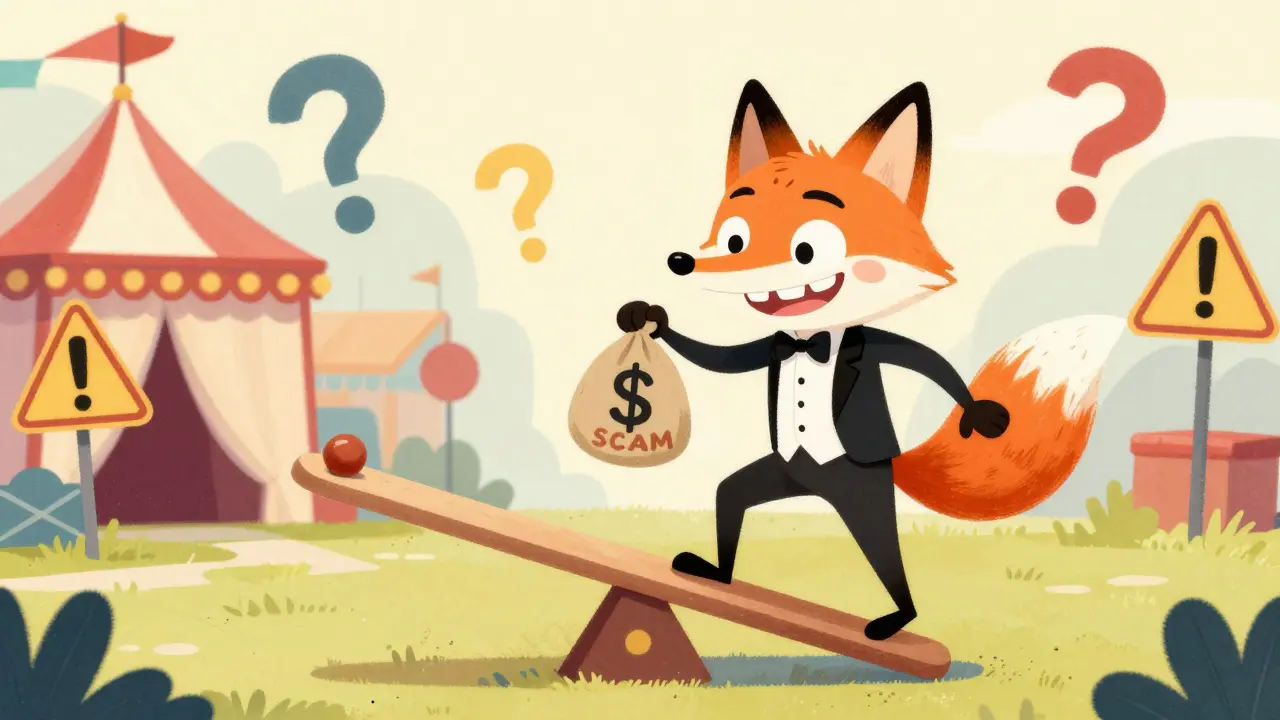
Imagine buying a cryptocurrency because its name literally tells you it is a scam. Sounds like a bad joke, right? That is exactly the premise behind ScamPump, a BEP-20 meme token on the BNB Smart Chain that uses provocative anti-scam branding while lacking verifiable team identity or technical utility. The ticker symbol is SCAM. It launched in 2023 with a marketing pitch that claims to be a "safe haven" for people tired of fraud, yet independent analysts flag it as a textbook example of high-risk speculative behavior.
If you are wondering whether this is a clever meta-commentary on the crypto industry or just another trap for inexperienced investors, you are not alone. The line between satire and fraud in the meme coin space is incredibly thin. Let’s break down what ScamPump actually is, how it works, and why experts advise extreme caution.
The Core Concept: A "Scam Non-Scam"?
ScamPump positions itself as a revolution against the very thing its name suggests. According to the project’s official website, the founders were previously victims of crypto scams. They claim to have sworn revenge by creating a transparent, fun, and secure community where education replaces fraud. The tagline "a scam non-scm project" attempts to reframe the negative connotation of the word "scam" into a badge of honor for transparency.
However, there is a massive gap between this narrative and reality. While the team promises safety, they remain completely anonymous. No real-world identities are disclosed. There is no whitepaper detailing a technological roadmap. There are no audited financial reports. In the world of cryptocurrency, anonymity combined with high-pressure marketing is often the first red flag you should look for. Without a known team, there is no one to hold accountable if things go wrong.
Technical Specifications and Tokenomics
To understand the asset itself, we need to look at the numbers. ScamPump is built as a BEP-20 token on the BNB Smart Chain (BSC), which means it relies on the infrastructure of BNB Chain. This is a common standard for low-cost transactions, but it does not add any unique value to the token itself. It simply makes it easy to create and trade.
| Attribute | Value |
|---|---|
| Total Supply | 61,602,561 SCAM |
| Maximum Supply | 69,000,000 SCAM |
| Blockchain | BNB Smart Chain (BSC) |
| Token Standard | BEP-20 |
| Launch Year | 2023 |
| Team Identity | Anonymous |
The supply figures are interesting. With over 61 million tokens already in circulation out of a maximum of 69 million, nearly the entire supply is available. This usually implies that early insiders might still hold significant portions, or that the remaining ~7.4 million tokens are reserved for unknown future purposes. When liquidity is low, even small sales from these large holders can crash the price instantly.
The Pump-and-Dump Risk Profile
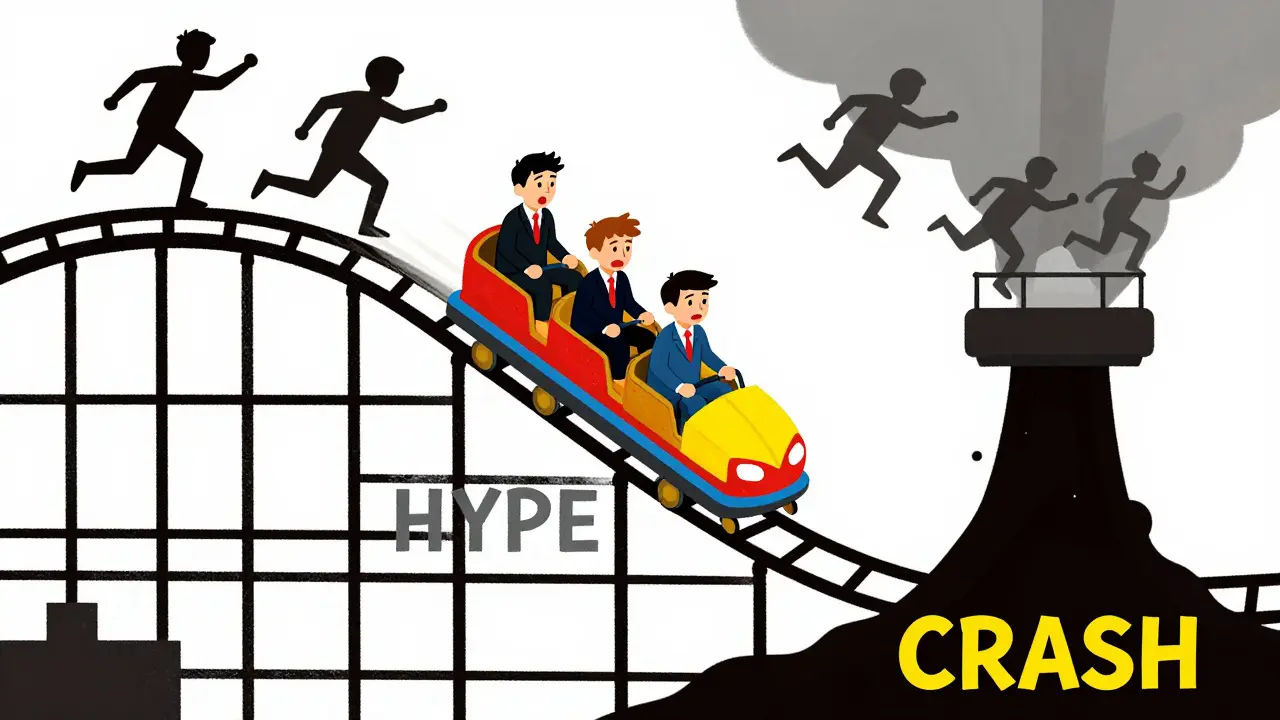
Why do experts like those at Huobi/HTX classify ScamPump as a potential scam? It fits the pattern of pump-and-dump schemes, which are coordinated efforts to artificially inflate the price of an asset before selling off holdings. Here is how it typically works:
- Hype Generation: Promoters use social media platforms like Telegram and Twitter to spread excitement about a "guaranteed" moonshot.
- Artificial Demand: Early buyers push the price up, creating a fear of missing out (FOMO) among retail investors.
- The Dump: Once the price peaks, the creators and early insiders sell their tokens rapidly.
- The Crash: Late buyers are left holding worthless tokens as the price collapses.
Researchers from the University of Southern California’s Information Sciences Institute have documented how these groups use bots to amplify hype. ScamPump lacks intrinsic technological value. It has no utility, no governance mechanism, and no ecosystem. Its value is driven entirely by human psychology and speculation. If the hype stops, the price has nothing to support it.
Liquidity and Market Reality
Let’s talk about money. Can you actually buy or sell this token easily? The answer is complicated. Data from trackers like Crypto.com shows a quoted price around $0.004, but the 24-hour trading volume is often listed as "N/A" or extremely low. This indicates a severe lack of liquidity.
Low liquidity means two dangerous things:
- High Slippage: If you try to sell a decent amount of SCAM, you might not get the price shown on the screen. You could lose a significant percentage of your value just by executing the trade.
- Manipulation Ease: Because there are few buyers and sellers, a single person with a moderate amount of capital can manipulate the price drastically.
Furthermore, ScamPump is not listed on major regulated exchanges like Coinbase, Binance, or Kraken. It is only available on decentralized exchanges (DEXs) like PancakeSwap. This means you are trading peer-to-peer without the oversight of a centralized platform that might freeze suspicious activity.
How to Interact Safely (If You Choose To)
I am not here to tell you what to do with your money, but if you decide to explore ScamPump, you must treat it as entertainment, not investment. Here is how the process works technically:
- Set Up a Wallet: You will need a non-custodial wallet like MetaMask or Trust Wallet, configured to connect to the BNB Smart Chain.
- Acquire BNB: You need BNB coins to pay for transaction fees (gas) on the network.
- Use a DEX: Connect your wallet to a decentralized exchange like PancakeSwap, a leading decentralized exchange on the BNB Chain.
- Verify the Contract Address: This is critical. Never copy an address from a random comment. Use trusted aggregators like CoinMarketCap to find the official contract address. One wrong character means sending your funds to a stranger forever.
Even then, remember that "rug pulls"-where developers drain the liquidity pool and disappear-are a constant threat in this sector. Always check if the liquidity is locked. If it isn’t, the developers can withdraw all the funds at any time.
Comparison: ScamPump vs. Established Meme Coins
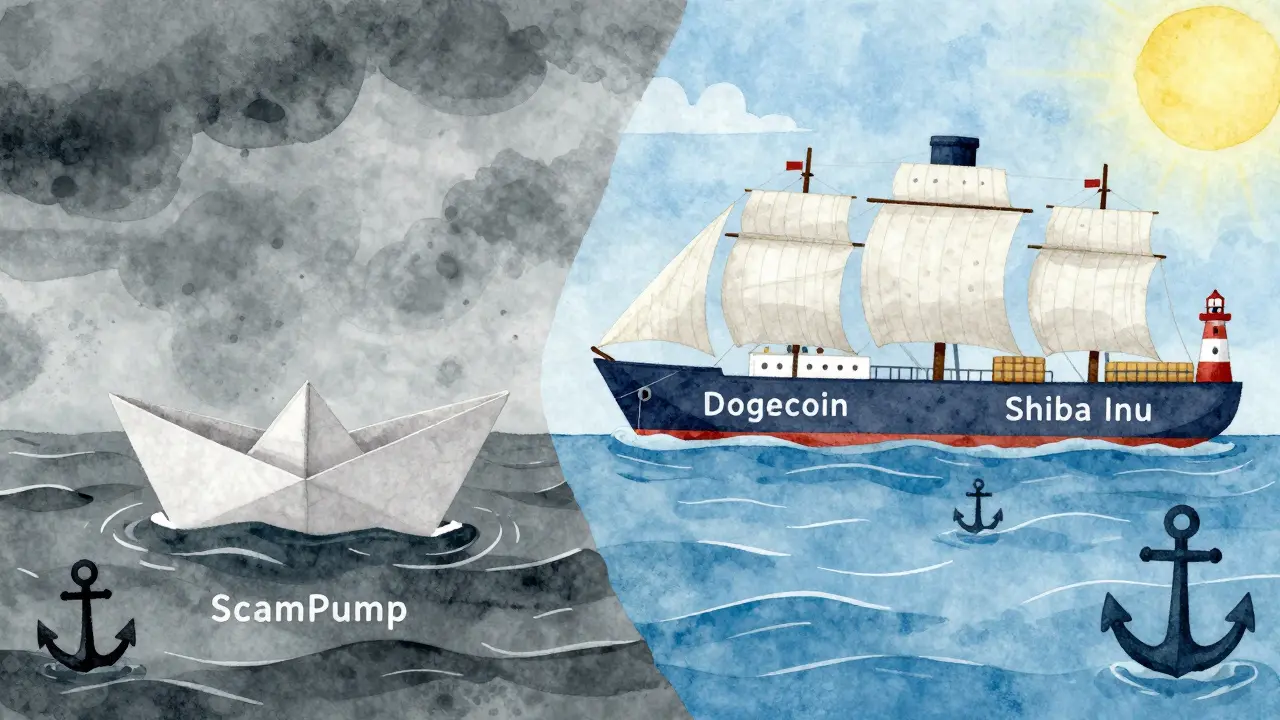
To put ScamPump in perspective, let’s compare it to giants like Dogecoin or Shiba Inu. While all are meme coins, the difference in scale and security is vast.
| Feature | ScamPump (SCAM) | Dogecoin (DOGE) | Shiba Inu (SHIB) |
|---|---|---|---|
| Launch Year | 2023 | 2013 | 2020 |
| Team Transparency | Anonymous | Open Source/Community | Public Foundation |
| Exchange Listings | DEX Only | Major CEXs (Coinbase, Binance) | Major CEXs (Coinbase, Binance) |
| Utility/Ecosystem | None | Tipping/Micropayments | DeFi/NFT Ecosystem |
| Risk Level | Extreme | High (Volatility) | High (Volatility) |
Dogecoin and Shiba Inu have survived multiple market cycles because they have massive communities, deep liquidity, and recognition from major institutions. ScamPump has none of these buffers. It is a micro-cap token existing in the wild west of DeFi.
Red Flags Every Investor Should Know
Before you click "swap," run through this checklist. If you see three or more of these signs, walk away.
- Anonymous Team: No KYC (Know Your Customer) verification of founders.
- No Whitepaper: Lack of clear technical documentation or roadmap.
- Provocative Name: Using words like "Scam" or "Pump" to attract attention rather than build trust.
- Low Liquidity: Difficulty selling large amounts without crashing the price.
- Social Media Hype: Heavy promotion on Telegram/Twitter with little substance.
- No Audits: Smart contract code has not been reviewed by reputable firms like CertiK or SlowMist.
ScamPump checks almost every box on this list. The California Department of Financial Protection and Innovation tracks numerous crypto scams, noting that patterns like impersonation and fake projects are rampant. While ScamPump may not be illegal in the same way a phishing site is, it operates in a gray area where consumer protection is virtually non-existent.
Conclusion: Is It Worth It?
ScamPump is a fascinating case study in internet culture and crypto psychology. It mocks the very scams it resembles. But humor does not protect your portfolio. The token offers no technological innovation, has an anonymous team, and trades on illiquid decentralized markets. For every person who makes a quick profit, dozens likely lose their entire investment when the hype fades.
If you are looking for serious investment opportunities, look elsewhere. If you are curious about how meme coins work and want to spend a small amount of money you are willing to lose entirely on a bet, proceed with extreme caution. Verify every contract address, never invest more than you can afford to burn, and assume the worst-case scenario: that the value goes to zero.
Is ScamPump (SCAM) a legitimate investment?
ScamPump is considered a high-risk speculative asset, not a legitimate long-term investment. It lacks intrinsic utility, has an anonymous team, and exhibits characteristics of pump-and-dump schemes. Most financial experts advise treating it as entertainment rather than an investment vehicle.
Where can I buy ScamPump tokens?
ScamPump is not listed on major centralized exchanges like Coinbase or Binance. It can only be traded on decentralized exchanges (DEXs) on the BNB Smart Chain, such as PancakeSwap. You will need a compatible wallet like MetaMask and BNB for gas fees.
Who created ScamPump?
The creators of ScamPump remain anonymous. The project’s website claims the founders were previous victims of scams, but no verifiable real-world identities, KYC documents, or public profiles are available. This anonymity is a significant risk factor.
What is the total supply of SCAM?
The total supply of ScamPump is approximately 61.6 million tokens, with a maximum cap of 69 million tokens. The majority of the supply is currently in circulation, but the distribution among holders is not fully transparent.
Is ScamPump a rug pull?
While there is no definitive proof that ScamPump has executed a rug pull (draining liquidity), it possesses many traits associated with such scams, including anonymous developers, low liquidity, and hype-driven marketing. Investors should always verify if liquidity pools are locked to mitigate this risk.