

Have you ever donated to a cause and wondered exactly where your money went? You give $50 to help build a well in a developing region, but months pass without a single update. Did the funds reach the project? Were they used for administrative overhead instead of supplies? This uncertainty has plagued charitable giving for decades. Blockchain technology is a decentralized digital ledger that records transactions securely and transparently, offering a radical solution to this problem.
By using blockchain to track charity funds, donors can see their contributions move in real-time from their wallet to the final beneficiary. It’s not just about trust; it’s about proof. This guide explains how this technology works, why it matters, and how you can start using it today.
Why Traditional Charity Tracking Fails
Traditional nonprofit accounting relies on centralized databases and manual reporting. When you donate via credit card or bank transfer, the money passes through multiple intermediaries-payment processors, banks, and sometimes third-party fundraising agencies. Each step adds cost and opacity. By the time an annual report is published, the data is often aggregated, making it impossible to trace a specific dollar to a specific outcome.
Consider the typical flow: Donor → Payment Processor → Nonprofit Bank Account → Vendor Payment → Project Execution. At any point, funds can be diverted, delayed, or lost to inefficiency. Donors are left trusting promises rather than seeing evidence. Blockchain eliminates these blind spots by creating an immutable record of every transaction.
How Blockchain Creates Transparency
At its core, blockchain is a public ledger. Every transaction is recorded in a block, linked to previous blocks, forming a chain that cannot be altered retroactively without consensus from the network. For charities, this means:
- Immutability: Once a donation is recorded, it cannot be deleted or changed. If a fund is marked as "used for medical supplies," that record stays forever.
- Real-Time Visibility: Donors can watch their funds move. Instead of waiting for a yearly audit, you see updates instantly.
- Reduced Intermediaries: Smart contracts automate payments, cutting out middlemen who take fees.
Imagine donating to disaster relief. With traditional methods, you might hear weeks later if the aid arrived. With blockchain, you receive a notification the moment funds are released to local suppliers, and another when goods are delivered. This level of detail was previously impossible at scale.
The Role of Smart Contracts in Philanthropy
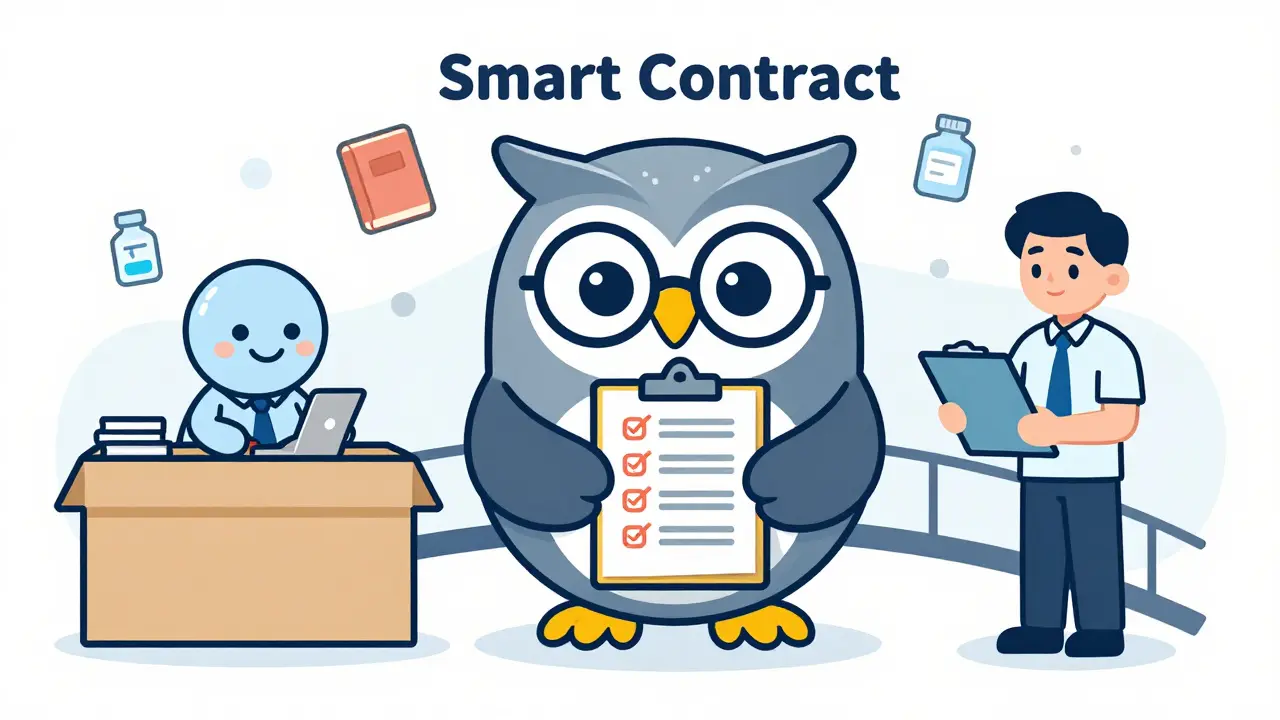
Smart contracts are self-executing contracts with the terms of the agreement directly written into code. They act as the automation engine behind blockchain charity platforms. Here’s how they work in practice:
- Fund Release Conditions: A donor sets conditions for their gift. For example, "$1,000 for school books." The smart contract holds the funds until the nonprofit provides proof of purchase (e.g., a digital receipt verified on-chain).
- Automatic Notifications: When milestones are met, the contract triggers alerts to donors. No more chasing staff for updates.
- Milestone-Based Payments: Funds can be released in tranches. A construction project might get 30% upfront, 40% after foundation laying, and 30% upon completion. Each release is recorded publicly.
This ensures accountability. If a nonprofit fails to meet criteria, funds remain locked or are returned. It shifts power from institutions to donors.
Real-World Examples: LUXARITY and Firefly Giving
Abstract concepts become clear with real cases. Take LUXARITY, a platform partnering with ConsenSys to track luxury good donations. Here’s their process:
- A consumer buys pre-owned luxury goods.
- They receive a unique PIN to allocate proceeds to a cause.
- The blockchain records the allocation choice.
- Donors get reports showing exact contribution percentages and grant amounts.
This isn’t just theory. It’s live. Consumers actively engage because they see impact. Another example is Firefly Giving, a donation platform offering zero transaction fees and nonprofit screening tools. It processes donations with full transparency, allowing users to verify contributions instantly.
These platforms prove blockchain charity isn’t niche-it’s scalable and user-friendly.
Comparing Traditional vs. Blockchain Charity Systems
| Feature | Traditional System | Blockchain System |
|---|---|---|
| Transaction Speed | Days to weeks for processing | Near-instant verification |
| Transparency | Annual reports, aggregated data | Real-time, granular tracking |
| Intermediary Fees | High (banks, processors) | Low or zero (smart contracts) |
| Accountability | Trust-based, audited periodically | Cryptographically proven, immutable |
| User Control | Passive donor role | Active monitoring and conditional giving |
The difference is stark. Blockchain doesn’t just improve efficiency; it redefines the donor-recipient relationship.
Challenges and Limitations
No technology is perfect. Blockchain charity faces hurdles:
- Technical Complexity: Users need digital wallets like MetaMask, a browser extension for managing cryptocurrency assets. This creates a learning curve.
- Scalability: Public blockchains can slow down during high traffic. Solutions like Layer 2 networks are emerging but aren’t universal yet.
- Regulatory Uncertainty: Tax laws vary by country. While blockchain generates audit trails, IRS compliance still requires careful documentation.
- Adoption Barrier: Nonprofits must integrate new systems. Smaller organizations may lack resources.
However, platforms are simplifying interfaces. MetaMask now offers guided tutorials, and some apps hide crypto complexity behind familiar UIs. Education is key.
Getting Started with Blockchain Donations
Ready to try? Follow these steps:
- Choose a Platform: Look for established names like Firefly Giving or specialized projects like Charity Wall. Check reviews and security audits.
- Set Up a Wallet: Install MetaMask or use a mobile wallet. Secure your seed phrase offline.
- Fund Your Wallet: Buy stablecoins (like USDC) or major cryptocurrencies. Stablecoins reduce volatility risk.
- Select a Cause: Browse verified nonprofits. Many platforms screen organizations for financial health and impact.
- Donate and Track: Send funds. Use the platform’s dashboard to monitor progress. Save transaction hashes for tax records.
Expect a 2-4 week learning period for basic proficiency. Start small to build confidence.
Future Trends in Blockchain Philanthropy
The landscape is evolving fast. Expect:
- AI Integration: Tools will analyze impact data automatically, predicting outcomes and optimizing fund allocation.
- Banking Bridges: More platforms will link fiat accounts to blockchain, letting you donate via card while tracking on-chain.
- Standardization: Protocols like BECP (Blockchain Enabled Charity Process Framework) will create common rules for interoperability.
- Mainstream Adoption: As digital literacy grows, expect widespread use within 5-10 years.
Regulators are also catching up. Clear guidelines will boost institutional confidence.
Is blockchain charity secure?
Yes, blockchain uses cryptographic security. Transactions are immutable and publicly verifiable. However, users must protect their private keys. Reputable platforms undergo regular security audits.
Can I get tax deductions for blockchain donations?
In many jurisdictions, yes. Blockchain provides detailed transaction histories that satisfy IRS requirements. Keep records of transaction dates, amounts, and recipient details. Consult a tax advisor for specifics.
Do I need to know coding to use blockchain charity platforms?
No. Modern platforms offer user-friendly interfaces. You only need basic digital literacy to set up a wallet and send funds. Technical skills are optional.
What happens if a nonprofit misuses funds?
Smart contracts can prevent misuse by releasing funds only upon verified milestones. If misuse occurs, the immutable record exposes it, enabling accountability and potential refunds depending on contract terms.
Are there fees for blockchain donations?
Network fees apply but are often lower than traditional payment processors. Platforms like Firefly Giving advertise zero transaction fees. Gas fees on Ethereum can vary, so choose low-cost times or Layer 2 solutions.