
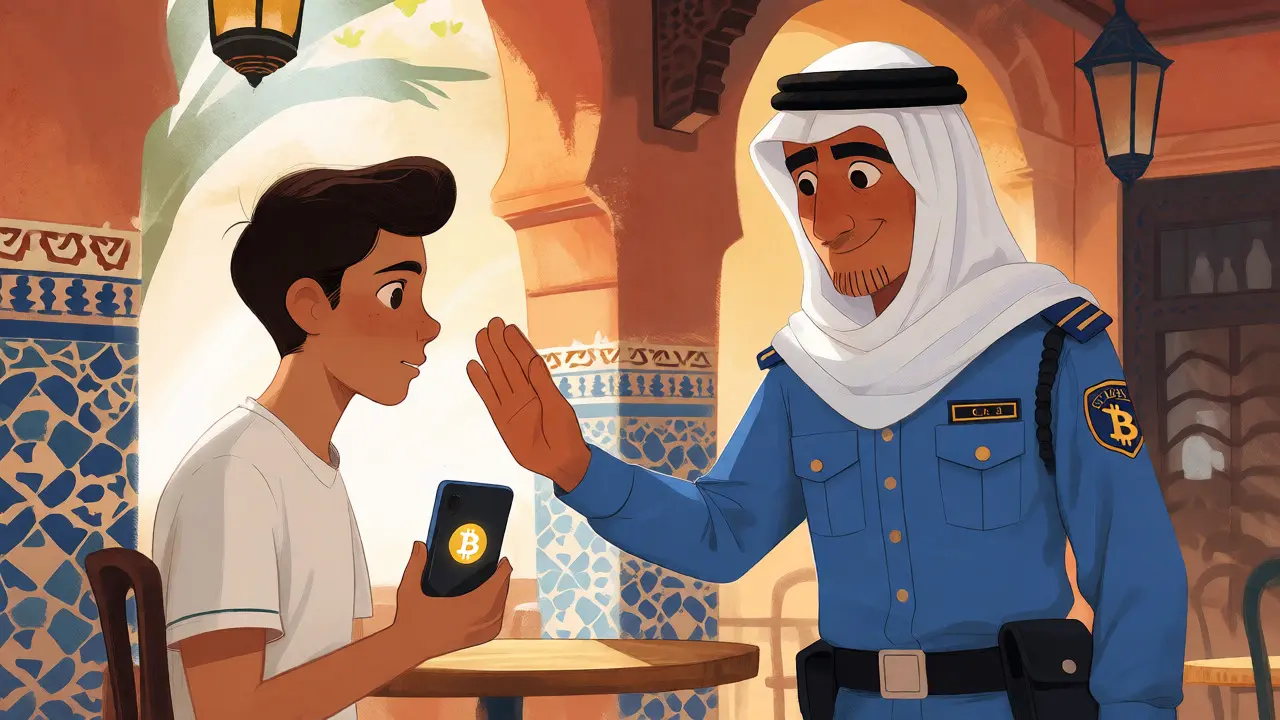
Imagine buying a coffee with Bitcoin and getting arrested. In most of the world, this is just an inconvenience or a tax nightmare. But in Tunisia, it’s a criminal offense that can land you in jail for up to five years. While El Salvador made history by adopting Bitcoin as legal tender, Tunisia has taken the opposite path, maintaining one of the strictest total bans on cryptocurrency globally since 2018.
If you are planning to travel to North Africa, run a business there, or simply wonder why your exchange account might flag Tunisian IPs, understanding this regulatory landscape is crucial. It’s not just about "no trading." The rules touch everything from mining rigs at customs to how banks handle card transactions. Let’s break down exactly what is banned, who enforces it, and whether the tide is finally turning.
The Core Prohibition: What Exactly Is Banned?
The foundation of Tunisia’s stance rests on a directive issued by the Central Bank of Tunisia (BCT) in May 2018. This wasn’t a subtle nudge; it was a blanket prohibition. The law states that no virtual currency transaction can occur without explicit state authorization. Since that authorization has never been granted, the default status of every crypto activity is illegal.
This ban is comprehensive. It doesn’t just stop you from using Binance or Coinbase. It prohibits:
- Public Trading: Operating any exchange service within the country.
- Payments: Merchants cannot accept Bitcoin, Ethereum, or stablecoins for goods and services.
- Mining: You cannot legally mine cryptocurrencies. Customs authorities have the right to seize ASIC miners upon import.
- Banking Facilitation: Local financial institutions are barred from processing crypto-related transactions. Banks actively block card purchases at foreign exchanges.
Essentially, if you hold crypto, trade it, mine it, or spend it in Tunisia, you are operating outside the law. The penalty isn’t a small fine. Violations of currency-control regulations can lead to imprisonment of up to five years. That’s a serious risk for something many consider a simple investment vehicle.
Why Did Tunisia Ban Crypto? The Economic Logic
You might ask, "Why so strict?" The answer lies in monetary sovereignty. For central banks, money supply is their primary tool for managing inflation and economic stability. Cryptocurrencies, by design, operate outside this control. If citizens start saving and transacting in dollars-backed tokens or Bitcoin, the local currency-the Tunisian dinar-loses its grip on daily life.
The BCT cited two main fears when implementing the ban:
- Capital Flight: Tunisia faces balance of payments challenges. Easy conversion of dinars into hard-to-trace digital assets could drain foreign reserves rapidly.
- Money Laundering: Without a regulated framework, regulators feared crypto would become a haven for illicit funds, bypassing traditional Anti-Money Laundering (AML) checks.
This approach aligns Tunisia with a small club of nations including China, Algeria, Morocco, and Egypt. Most of the world chose regulation over prohibition, but Tunisia prioritized control. They viewed the volatility of crypto as a direct threat to an economy already struggling with currency devaluation pressures.
Enforcement Reality: On Paper vs. On the Ground
Is everyone in prison? No. Enforcement varies significantly. While the law is severe, practical application often targets larger operations rather than individual holders. However, high-profile cases serve as warnings. In 2021, a teenager was jailed for exchanging a small amount of cryptocurrency. This incident sparked public debate and reached cabinet-level discussions, highlighting the disconnect between rigid laws and modern financial habits.
Underground markets persist. From 2013 to 2017, before the formal ban, peer-to-peer chat rooms thrived. Today, small-scale P2P trading continues, often conducted via WhatsApp or Telegram groups where trust replaces regulation. But mainstream adoption is stifled. You won’t find a cafe accepting Bitcoin because the merchant risks fines. You won’t see a bank advertising crypto custody. The ecosystem exists in the shadows, accessible only to those willing to take legal risks.
| Feature | Tunisia | El Salvador | European Union (MiCA) |
|---|---|---|---|
| Legal Status | Total Ban | Legal Tender | Regulated & Legal |
| Trading Allowed | No | Yes | Yes |
| Mining Allowed | No (Seizure Risk) | Yes | Yes (Energy compliant) |
| Bank Integration | Blocked | Full | High |
| Max Penalty | 5 Years Prison | N/A | Fines/Licensing Loss |
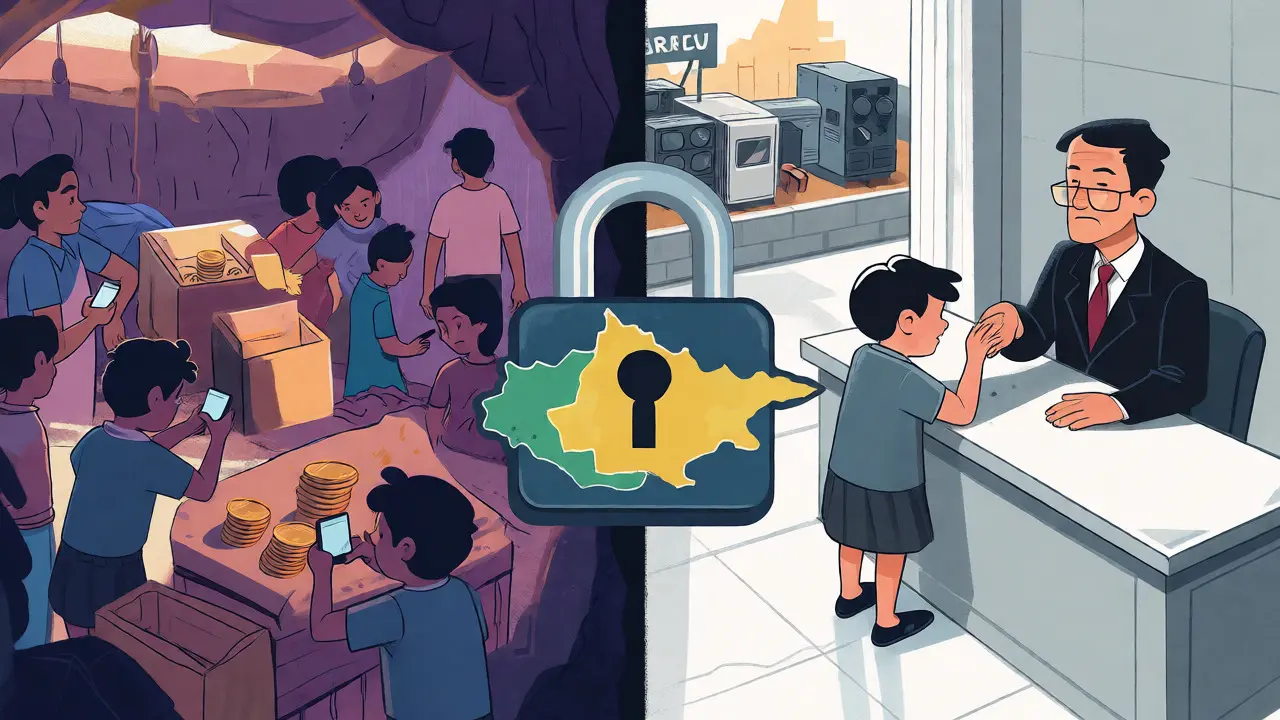
The Exception: Blockchain Sandbox and Fintech Innovation
Here is where it gets interesting. Tunisia isn’t anti-technology; it’s anti-uncontrolled currency. Recognizing the potential of blockchain, the government launched a regulatory sandbox in 2020. This program allows select fintech companies to test blockchain applications under tight supervision, separate from the general crypto ban.
Startups like VFunder (crowdfunding), Hydro E-Blocks (carbon tracking), and No Phobos (AI NFTs) have participated. These projects focus on utility, not speculation. They use private or permissioned ledgers for supply chain transparency, land registry digitization, and subsidy distribution.
The key distinction? These sandboxes do not involve public token sales or open market trading. They prove that the state accepts blockchain as a database technology while rejecting decentralized finance (DeFi) as a monetary system. This nuanced approach suggests the door isn’t locked forever-it’s just heavily guarded.
Compliance for Businesses: AML and KYC Requirements
If you operate a business in Tunisia, even one not directly touching crypto, you face rigorous compliance standards. The Financial Market Council (CMF) and other bodies enforce strict Anti-Money Laundering protocols. Understanding these helps explain why banks are so hesitant about digital assets.
Key requirements include:
- Customer Due Diligence (CDD): Verifying identities through National Identity Cards or passports.
- Enhanced Due Diligence (EDD): Extra scrutiny for Politically Exposed Persons (PEPs).
- Record Keeping: Companies must retain KYC and transaction records for at least 10 years.
- Suspicious Activity Reporting: Any unusual transaction must be reported to the Tunisian Financial Analysis Committee (CTAF) within 10 days.
For corporate clients, Know Your Business (KYB) checks require identifying Ultimate Beneficial Owners (UBOs). This heavy administrative burden makes integrating volatile, anonymous crypto transactions nearly impossible for traditional firms.

Is the Ban Changing? Future Outlook for 2026
As of late 2025 and into 2026, signs of softening appear. Parliamentary committees have considered draft bills to decriminalize cryptocurrency possession. The goal isn’t necessarily full legalization like El Salvador, but perhaps a licensing regime similar to how stock brokers are regulated.
The BCT’s "Digital Tunisia 2025" project explicitly lists blockchain for record-keeping, signaling institutional acceptance. However, policymakers remain cautious. With global corporations like PayPal and Tesla embracing digital assets, isolation becomes economically costly. Yet, the fear of capital flight remains potent in an economy sensitive to foreign exchange fluctuations.
Don’t expect a sudden switch to legal tender. The likely path is gradual: first decriminalizing holding, then allowing licensed exchanges, and finally permitting limited payments. Until then, proceed with extreme caution.
Practical Advice for Travelers and Investors
If you are visiting Tunisia or investing in its startups, here is how to navigate the restrictions:
- Do Not Bring Mining Rigs: Unless you have specific pre-approval, customs will likely seize them.
- Avoid Local Crypto Payments: Don’t try to pay a taxi driver in USDT. Keep it informal and cash-based if necessary.
- Use Foreign Accounts: Many Tunisians hold crypto in offshore wallets. Be aware that converting profits back to dinars locally carries legal risk.
- Monitor Regulatory News: Check updates from the Central Bank of Tunisia regularly, as sandbox expansions may hint at broader policy shifts.
Is Bitcoin completely illegal to own in Tunisia?
Technically, yes. The 2018 directive prohibits all virtual currency transactions without state authorization. While enforcement against individual holders of small amounts may vary, owning, trading, or using crypto is legally classified as a violation of currency-control regulations, carrying penalties including fines and imprisonment.
Can I buy crypto in Tunisia using my credit card?
Generally, no. Tunisian banks actively block transactions to foreign cryptocurrency exchanges. Even if you use a foreign card, local merchants cannot legally accept crypto payments, and banks monitor for suspicious transfers related to digital assets.
What are the penalties for breaking the crypto ban?
Penalties can be severe, including fines and imprisonment of up to five years. Specific violations, such as operating an unlicensed exchange or importing mining equipment without permission, trigger these maximum sentences under current currency-control laws.
Are there any exceptions to the ban?
Yes, limited exceptions exist through the BCT regulatory sandbox launched in 2020. Selected fintech startups can test blockchain technologies for non-monetary uses like supply chain tracking and land registries under strict supervision, but this does not legalize public cryptocurrency trading.
How does Tunisia's stance compare to neighbors?
Tunisia shares a restrictive stance with neighboring Algeria and Morocco, which also have significant bans or restrictions. This contrasts sharply with countries like Egypt, which has seen more fluctuating religious rulings, and globally with nations like El Salvador that have fully adopted crypto.