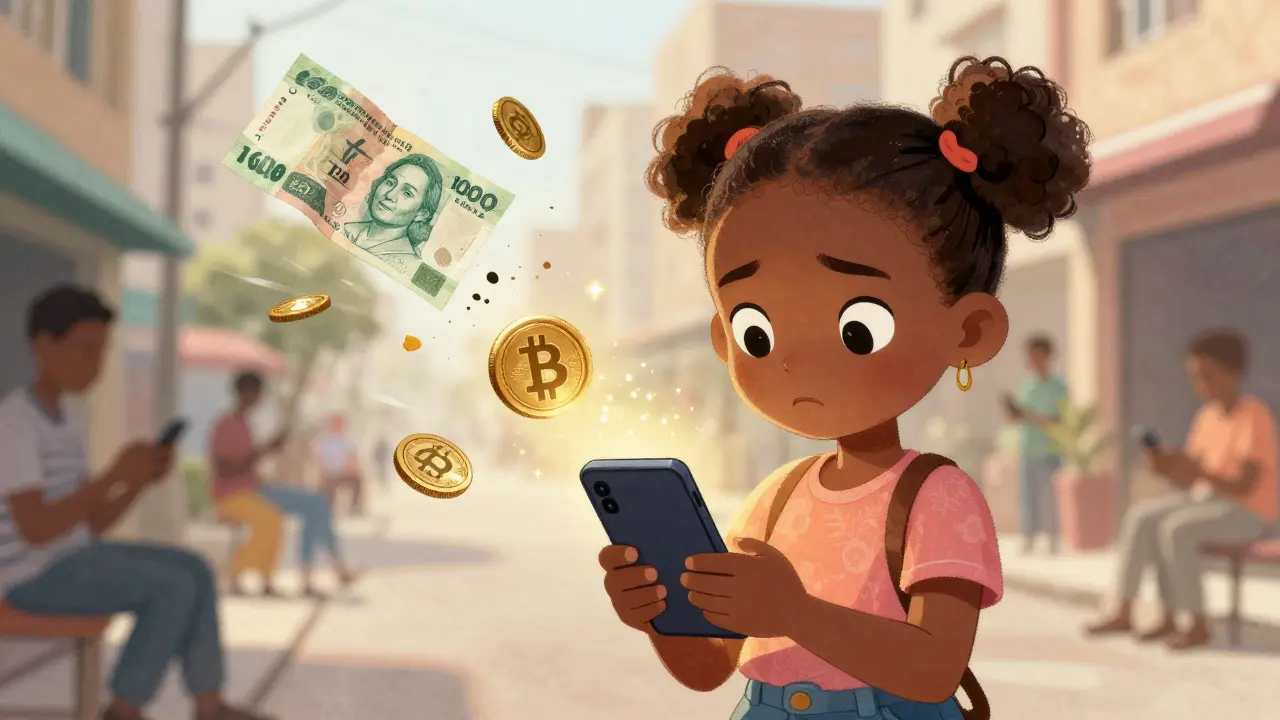
Nigerian naira: How crypto is changing money in Nigeria
When the Nigerian naira, the official currency of Nigeria, which has lost over 70% of its value against the US dollar since 2020 due to inflation and foreign exchange controls. Also known as NGN, it's no longer trusted by millions of Nigerians to hold value or enable basic transactions. That’s why so many turned to crypto—not for speculation, but to eat, pay bills, and send money home. The naira’s collapse didn’t happen overnight. It was the result of years of poor policy, currency controls, and a banking system that blocked access to dollars. When the Central Bank of Nigeria banned banks from processing crypto transactions in 2021, people didn’t stop. They just moved underground.
Today, Nigeria is one of the world’s top crypto adopters. Peer-to-peer Bitcoin trading exploded because it’s faster and cheaper than banks. A trader in Lagos can buy $500 worth of USDT with a naira bank transfer, then send it to a family member in the U.S. in minutes—no middlemen, no fees, no delays. Even small vendors accept crypto as payment. This isn’t about getting rich. It’s about survival. And it’s not just Bitcoin. Stablecoins like USDC and BUSD are becoming the real currency of everyday life. The Naira exchange rate, the value of the Nigerian naira compared to other currencies, especially the US dollar, which has dropped from 360 to over 1,500 NGN per USD since 2020 is now tracked more often on crypto apps than on official government sites. Meanwhile, the cryptocurrency regulation Nigeria, the evolving legal stance of Nigerian authorities toward digital assets, which shifted from outright bans to cautious recognition after public pressure is still messy. The government talks about taxing crypto, but no one’s really enforcing it. Why? Because too many people rely on it.
What you’ll find below isn’t theory. It’s real stories. People bypassing banking limits. Traders using HTX and OTCBTC to move money. Meme coins like ANDY and BUNNY that rose and crashed—but still kept people connected. You’ll see how Nigerians access crypto despite restrictions, what tools they use, and why some projects fail while others become lifelines. This isn’t about investing. It’s about how money is being rebuilt from the ground up.