Central Bank of Nigeria: Crypto Rules, Cash Bans, and How Nigerians Beat the System
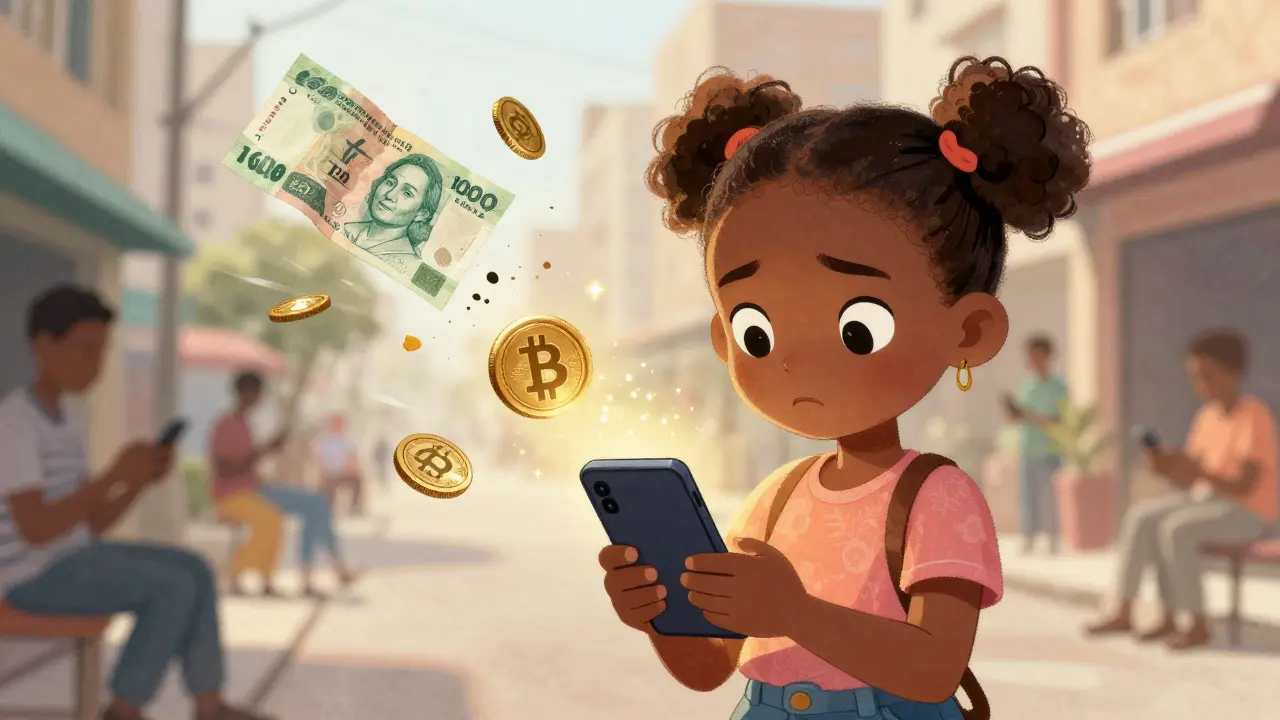
When the Central Bank of Nigeria, the official monetary authority responsible for issuing currency and regulating financial institutions in Nigeria. Also known as CBN, it banned crypto transactions in 2021, it didn’t kill crypto—it made it smarter. Nigerians didn’t stop using Bitcoin or stablecoins. They just moved underground. The CBN’s move was meant to protect the naira, but it backfired. Instead of reducing crypto use, it forced millions into peer-to-peer trading, mobile wallets, and offshore exchanges. The bank thought it was shutting the door. Nigerians built a backdoor.
The CBN cryptocurrency policy, a set of restrictions that blocked banks from handling crypto-related transactions didn’t stop remittances. With over 70% of Nigerians underbanked, crypto became the only way to send money home from the UK, US, or South Africa. Platforms like Paxful and Binance P2P exploded. People traded USDT for cash in parking lots, barber shops, and market stalls. The Nigerian digital currency, the eNaira, a central bank digital currency (CBDC) launched in 2021 to replace crypto failed to gain traction. It was slow, required bank accounts, and had no real incentives. Meanwhile, USDT traded at a premium because it actually worked. The CBN didn’t just fight crypto—it fought reality.
What’s left now? A nation where crypto isn’t legal—but it’s everywhere. Miners in Lagos run rigs off solar panels to avoid power cuts. Traders use Telegram groups to swap tokens for naira. Small businesses accept USDT for goods because banks freeze their accounts. The crypto access Nigeria, the underground network of P2P traders, mobile wallets, and offshore exchanges that keep crypto alive is more organized than the official system. The CBN keeps threatening fines and jail time, but enforcement is patchy. People know the rules. They just don’t care.
What you’ll find here aren’t policy analyses or press releases. These are real stories from people who used crypto to survive. From how a student in Abuja paid tuition with USDT, to why a Lagos mechanic now takes Bitcoin for repairs. You’ll see how the CBN’s ban created a parallel economy—and why it’s not going away.