

Imagine holding a key that opens doors in two different houses at once. That is essentially what Wrapped Conflux (WCFX) is designed to do. It takes the native power of the Conflux Network blockchain and wraps it in a format that Ethereum-based apps can understand.
If you have been seeing WCFX pop up on decentralized exchanges or hearing whispers about cross-chain opportunities, you might be wondering if this token is worth your attention. The short answer? It depends on whether you need access to specific DeFi protocols or are just looking for a speculative trade. As of mid-2026, WCFX remains a niche asset with significant utility but also notable risks regarding liquidity and price stability.
What Exactly Is Wrapped Conflux (WCFX)?
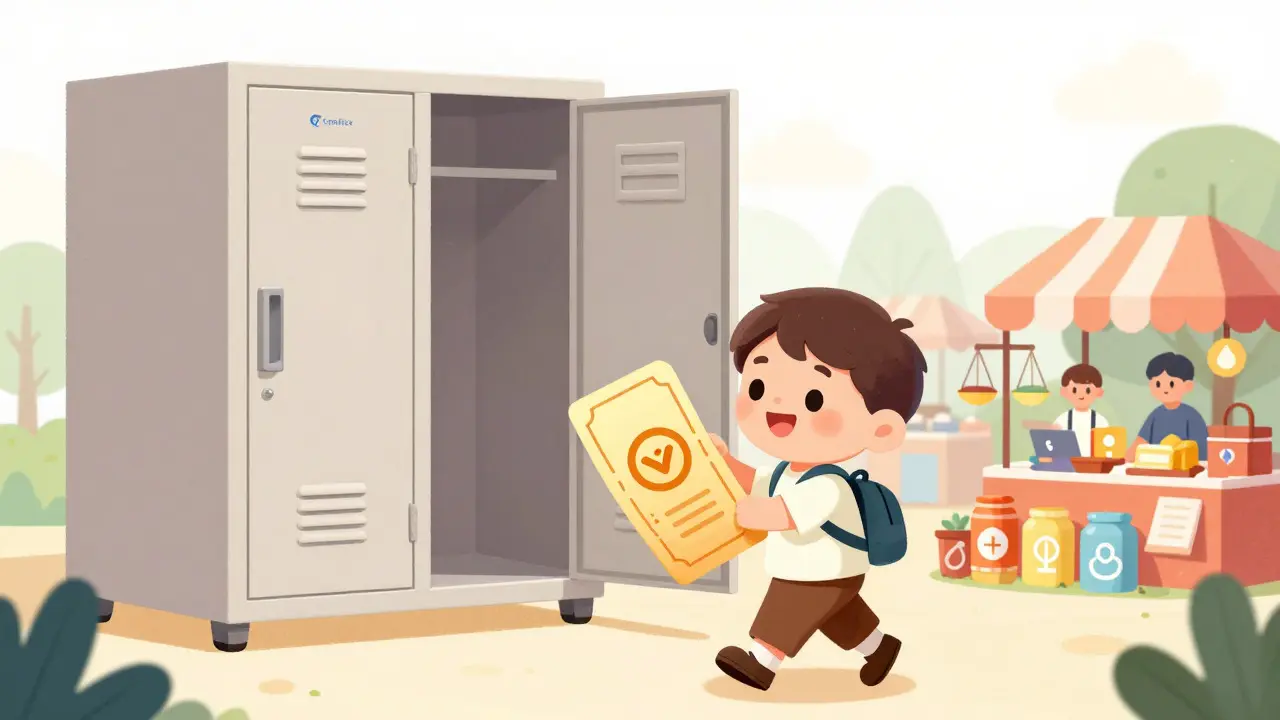
To understand WCFX, you first need to understand the concept of "wrapping" in cryptocurrency. Think of it like putting cash into a secure locker at an airport. You get a receipt (the wrapped version) that you can use to buy things in the duty-free shop (Ethereum ecosystem), even though your actual money is still safe in the locker (Conflux Network).
Wrapped Conflux is an ERC-20 compatible token. This means it behaves exactly like other Ethereum tokens such as USDT or UNI. It allows users who hold CFX (the native token of Conflux Network) to participate in the broader Ethereum decentralized finance (DeFi) world without having to bridge their assets manually every time they want to interact with a new protocol.
The primary goal here is interoperability. The Conflux Network uses a unique consensus mechanism called Tree-Graph, which is engineered for high throughput and scalability, particularly targeting Asian markets. However, most major DeFi applications live on Ethereum. WCFX acts as the bridge, allowing value to flow freely between these two ecosystems.
How Does the Wrapping Process Work?
You don’t usually create WCFX from scratch yourself unless you are running a node or using a specific bridge service. Here is the typical workflow:
- Locking: A user sends their native CFX tokens to a smart contract or custodian on the Conflux Network.
- Minting: Once the CFX is locked, an equivalent amount of WCFX is minted on the Ethereum network.
- Usage: The user can now swap, lend, or provide liquidity with WCFX on Ethereum-based platforms like Uniswap or Aave.
- Burning: When the user wants their original CFX back, they send the WCFX to a burn address. The system verifies this and releases the locked CFX on the Conflux side.
This process relies heavily on trust in the bridging infrastructure. If the bridge is hacked or the smart contracts have bugs, the wrapped tokens could lose their backing. This is a critical risk factor we will explore later.
Market Performance and Price Reality Check
Let’s talk numbers, because they tell a stark story about WCFX’s current standing. Cryptocurrency prices are volatile, and wrapped tokens often suffer from additional volatility due to lower liquidity compared to their native counterparts.
Data from late 2025 and early 2026 shows significant discrepancies across tracking platforms, which is a red flag for retail investors. For instance, while some aggregators listed WCFX around $0.17, others showed prices closer to $0.08. This spread indicates thin order books and limited arbitrage activity.
| Metric | Value / Observation |
|---|---|
| Circulating Supply | ~33.8 Million WCFX |
| Market Cap | ~$2.94 Million |
| All-Time High (ATH) | $0.55 |
| Current Distance from ATH | ~84% Below Peak |
| Daily Trading Volume | $60k - $116k (Low Liquidity) |
A market cap under $3 million places WCFX firmly in the "micro-cap" category. This means it is highly susceptible to large swings based on relatively small trades. If a single whale decides to sell 100,000 WCFX, the price could drop by 10-20% in minutes simply because there aren’t enough buyers waiting in the queue.
Where Can You Actually Buy WCFX?
Here is the catch: you likely won’t find WCFX on major centralized exchanges like Coinbase Pro or Binance’s main spot trading pairs. In fact, Coinbase explicitly states that WCFX is not tradable on their platform.
This limitation forces users into the decentralized web (Web3). To acquire WCFX, you typically need to:
- Use a Web3 wallet like MetaMask or Trust Wallet.
- Connect to a decentralized exchange (DEX) such as Uniswap or SushiSwap.
- Swap ETH or USDT for WCFX directly via the smart contract address.
Binance does offer support through its Web3 Wallet service, which allows users to connect to DEXs for WCFX trading, but this requires a higher level of technical comfort than buying Bitcoin on an app. The lack of easy access on centralized exchanges restricts mainstream adoption and contributes to the low trading volumes mentioned earlier.
Risks You Need to Know Before Investing
Investing in wrapped tokens introduces layers of risk that go beyond standard crypto market fluctuations. Here are the three biggest concerns for WCFX holders in 2026:
1. Bridge Security Vulnerabilities
Every wrapped token relies on a bridge. History has shown us that bridges are prime targets for hackers. If the mechanism locking the underlying CFX is compromised, the WCFX tokens circulating on Ethereum could become worthless IOUs. Always check the audit status of the specific bridge protocol you are using.
2. Liquidity Traps
With daily volumes hovering around $100,000, exiting a large position can be painful. Slippage-the difference between the expected price of a trade and the price at which the trade is executed-can eat into your profits significantly. If you plan to invest more than a few hundred dollars, test the waters with a small amount first to gauge the impact on the price.
3. Regulatory Uncertainty
As governments tighten regulations on cryptocurrencies, cross-chain tokens face scrutiny. Are they securities? Do they require licensing? Regulatory crackdowns on DeFi protocols could indirectly hurt demand for WCFX if the platforms it integrates with shut down or restrict access.

Is WCFX Still Relevant in 2026?
The relevance of Wrapped Conflux hinges on the success of the underlying Conflux Network. Conflux aims to bridge Asian markets with global DeFi, leveraging its Tree-Graph consensus for speed and efficiency. If Conflux continues to gain traction among developers and enterprises in Asia, the demand for a way to move that value to Ethereum will grow, benefiting WCFX.
However, competition is fierce. Native cross-chain solutions and Layer-2 networks on Ethereum are improving rapidly. If Ethereum itself becomes fast and cheap enough, or if other L1 blockchains offer better interoperability natively, the need for specialized wrapped tokens like WCFX could diminish.
For now, WCFX serves a specific job: enabling Conflux users to access Ethereum DeFi. It is not a general-purpose investment vehicle. It is a tool for those already embedded in the Conflux ecosystem or sophisticated traders looking for arbitrage opportunities between chains.
Key Takeaways for Traders and Investors
- Utility First: Only consider WCFX if you specifically need to use Conflux assets on Ethereum DeFi platforms.
- Check Liquidity: Always look at the depth of the order book before making a trade. Small caps can move violently.
- Use Reputable Bridges: Verify which bridge protocol is backing the WCFX you are buying. Stick to audited and well-established services.
- Monitor News: Keep an eye on Conflux Network developments. Positive news for the parent chain often lifts the wrapped token.
What is the difference between CFX and WCFX?
CFX is the native token of the Conflux Network, used for gas fees and governance on its own blockchain. WCFX is a wrapped version of CFX that exists on the Ethereum network. It represents a claim on the underlying CFX, allowing you to use Conflux value within Ethereum-compatible apps.
Can I buy WCFX on Coinbase?
No, Coinbase does not currently list WCFX for direct trading. You must use decentralized exchanges (DEXs) like Uniswap or access it through Web3 wallets supported by platforms like Binance Web3 Wallet.
Is Wrapped Conflux a good long-term investment?
WCFX is considered a high-risk, micro-cap asset. Its value is tied to the adoption of the Conflux Network and the continued demand for cross-chain DeFi. Due to low liquidity and regulatory uncertainties, it is generally better suited for experienced traders rather than passive long-term holders.
Why is the price of WCFX different on various websites?
Price discrepancies occur due to low trading volume and fragmented liquidity across different decentralized exchanges. Unlike major coins traded on centralized exchanges with deep order books, WCFX trades in smaller pools, leading to varying prices depending on where you look.
How do I unwrap WCFX back to CFX?
To unwrap WCFX, you need to send your WCFX tokens to the designated burn address associated with the bridge protocol you used to wrap them initially. Once the transaction is confirmed on Ethereum, the equivalent amount of CFX is released to your wallet on the Conflux Network.