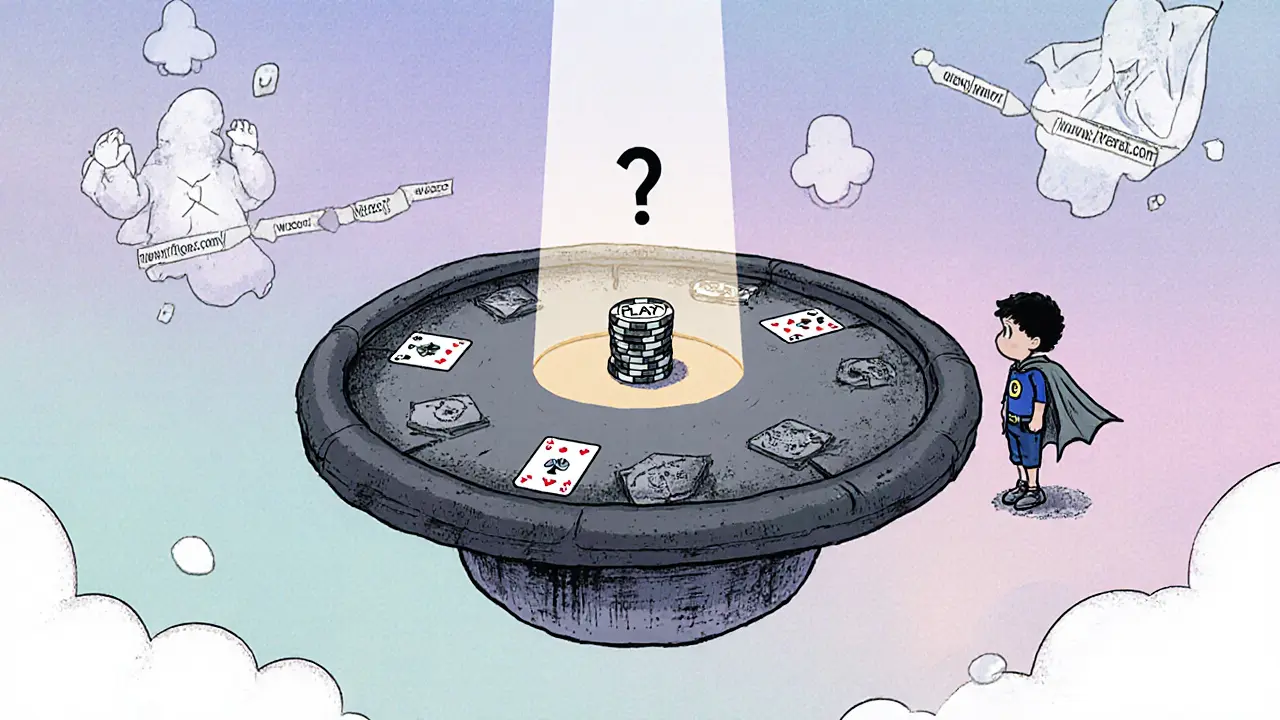
Solana poker coin
When people talk about a Solana poker coin, a cryptocurrency built on the Solana blockchain designed for online poker and gaming platforms. It's not one single coin—it's a category of tokens that try to link fast, low-cost blockchain transactions with real-money poker apps and decentralized gaming. Unlike Ethereum, Solana handles thousands of transactions per second with near-zero fees, making it ideal for games where players need to bet, fold, or cash out in seconds.
But here’s the catch: most Solana poker coins are either dead, untested, or outright scams. You’ll find tokens like POKR, POKER, or some random meme name tied to a website that looks like a poker table—but has no actual game, no player base, and no liquidity. Real projects like Solana blockchain, a high-speed, low-cost public blockchain built for decentralized apps and DeFi support real infrastructure, but that doesn’t mean every token on it is legitimate. Many are created in minutes, pumped on Twitter, then abandoned. The ones that survive? They have actual poker software running on-chain, real user activity, and audited smart contracts—not just a whitepaper and a Discord channel.
Some of these coins are tied to crypto poker games, decentralized platforms where players use tokens to buy in, win pots, and withdraw earnings without a central operator. These aren’t just gambling apps—they’re peer-to-peer networks where the house doesn’t exist. But they’re rare. Most so-called "Solana poker coins" are just meme tokens with poker-themed art, hoping someone will buy them because they like the logo. And when the hype dies? The price crashes faster than a bad bluff.
What you’ll find in the posts below are real breakdowns of tokens that claimed to be poker coins on Solana. Some were scams with zero users. Others were experiments that never launched. A few tried to build something real but failed because no one showed up. You’ll also see how Solana’s speed and low cost make it a tempting home for these projects—but why that same speed makes it easy for fraudsters to move in and out before anyone notices. This isn’t about betting on tokens. It’s about understanding what separates a working game from a digital ghost town.