

Have you heard about AladiEx, a cryptocurrency exchange that promises simplicity but lacks the transparency of industry giants? In 2026, finding a reliable platform to buy and sell digital assets is more critical than ever. While major names like Binance and Coinbase dominate headlines, smaller platforms often pop up with aggressive marketing. AladiEx is one such platform. It claims to make trading easy and offers its own native token, ALA. But does it actually deliver on these promises, or should you keep your funds elsewhere? This review cuts through the noise to help you decide if AladiEx is worth your trust.
What Is AladiEx?
AladiEx positions itself as a user-friendly cryptocurrency trading platform. The core idea is simple: allow users to buy, sell, and trade cryptocurrencies without the steep learning curve associated with professional-grade exchanges. The platform operates primarily through its website, www.aladiex.com, and has developed an Android mobile application. This app combines exchange features with wallet functionality, aiming to provide a seamless experience for traders on the go.
The platform also features its own native token, known as ALA (AladiEx Token). Having a native token is common among exchanges; it often serves to reduce trading fees, grant access to exclusive features, or act as a governance tool. However, the specific utility and economic model (tokenomics) of the ALA token remain vague in public documentation. This lack of clarity is a significant red flag for potential investors who need to understand how their assets are managed and valued.
Red Flags: What’s Missing from the Picture?
When evaluating any financial service, especially in the volatile world of crypto, information is power. Unfortunately, AladiEx suffers from a severe lack of transparent data. A thorough review requires specific details that are currently absent from public sources. Here is what is notably missing:
- Regulatory Compliance: There is no clear information about which jurisdictions AladiEx is licensed in. In 2026, with stricter global regulations following executive orders like the US's "Strengthening American Leadership in Digital Financial Technology," compliance is non-negotiable. Without knowing if AladiEx adheres to Anti-Money Laundering (AML) and Know Your Customer (KYC) standards, your legal protection is questionable.
- Security Audits: No independent security audits have been publicly disclosed. We don’t know if their wallets use cold storage, multi-signature technology, or insurance coverage. While WalletScrutiny has reviewed their mobile app, this focuses on software quality, not fund security.
- Fee Structure: Transparent pricing is essential. AladiEx does not clearly list its trading fees, withdrawal costs, or spread margins. Hidden fees can eat into profits significantly.
- Team Identity: The founders and key team members are not publicly identified. Anonymous teams are a major risk factor in crypto. If something goes wrong, there is no one to hold accountable.
- User Feedback: There is a scarcity of genuine user reviews on trusted platforms like Trustpilot or Reddit. Without community consensus, it’s hard to gauge customer support quality or reliability during market crashes.
How AladiEx Compares to Established Exchanges
To understand where AladiEx stands, we must compare it to established players. Let’s look at how it stacks up against giants like Binance and Coinbase, as well as regional competitors like bitFlyer.
| Feature | AladiEx | Binance | Coinbase | bitFlyer |
|---|---|---|---|---|
| Regulatory Status | Unclear | Licensed in multiple regions | US-based, highly regulated | Licensed in Japan/EU |
| Native Token | ALA | BNB | N/A | N/A |
| Mobile App | Android only | iOS & Android | iOS & Android | iOS & Android |
| Security Transparency | No public audits | Regular reports, SAFU fund | Fully insured, public filings | High security standards |
| Minimum Investment | Unknown | Very low (~$1) | Low ($1-25) | Low (~€1) |
The table highlights a stark contrast. Binance and Coinbase offer comprehensive ecosystems with clear regulatory standing, robust security measures, and broad accessibility. bitFlyer provides a secure entry point for European users with low minimums. AladiEx, by comparison, offers limited information. Its Android-only availability restricts iOS users, and the lack of regulatory clarity poses a substantial risk.
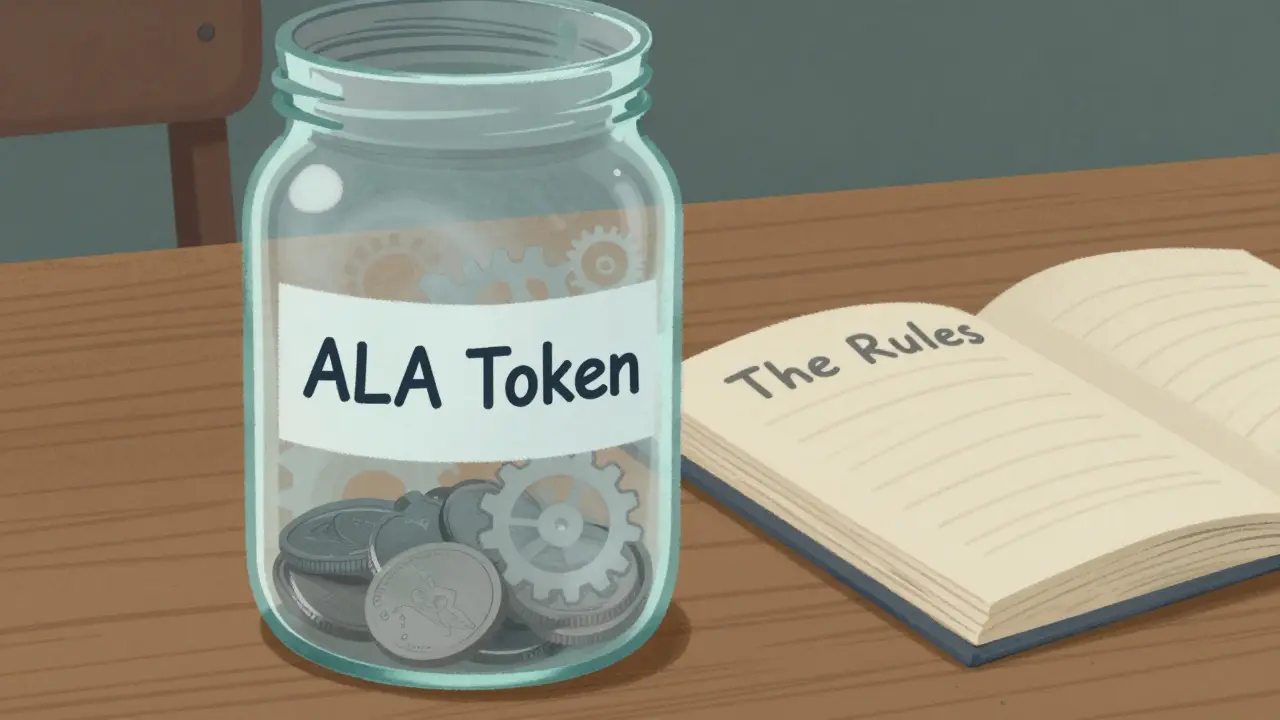
The ALA Token: Opportunity or Risk?
The existence of the ALA token suggests AladiEx aims to build an integrated ecosystem. Tokens like BNB (Binance Coin) have added value by reducing fees and enabling participation in new listings. However, for ALA to be valuable, it needs real utility and liquidity.
Currently, ALA tokens can be purchased through decentralized exchanges (DEX) and via accounts on major platforms like Binance. This indicates some level of market presence. However, buying a token through a DEX means you are interacting directly with smart contracts, which carries its own set of risks, including impermanent loss and smart contract vulnerabilities. If AladiEx fails to provide clear benefits for holding ALA, the token could lose value rapidly. Always remember: investing in an exchange’s native token is a bet on the exchange’s success. If the exchange itself is risky, the token is even riskier.
Security Concerns You Can’t Ignore
In crypto, security isn’t just a feature; it’s the foundation. Without detailed information on AladiEx’s security protocols, users are left guessing. Key questions remain unanswered:
- Cold Storage: Does AladiEx store most user funds in offline wallets? This is standard practice to prevent hacks.
- Two-Factor Authentication (2FA): Is 2FA mandatory for withdrawals? Basic apps often skip this, leading to account takeovers.
- Insurance: If the platform is hacked, will users be compensated? Major exchanges often have insurance funds; AladiEx’s stance is unknown.
The fact that WalletScrutiny reviewed their app doesn’t guarantee fund safety. It only means the software functions as intended on a device. Security breaches often happen at the backend database or private key management level, which app reviews do not cover.

Who Should Avoid AladiEx?
Given the current information landscape, certain groups should definitely steer clear of AladiEx:
- Beginners: New users need hand-holding, clear fee structures, and strong customer support. AladiEx lacks these basics.
- Large Investors: If you plan to deposit significant amounts, never use a platform without verifiable security audits and regulatory licenses.
- iOS Users: Since there is no iPhone/iPad app, you’re limited to the web interface, which may be less convenient.
- Risk-Averse Traders: If you prioritize capital preservation over high-risk, high-reward opportunities, stick to regulated entities.
Final Verdict: Proceed with Extreme Caution
Is AladiEx a scam? We cannot definitively say yes based on available evidence. However, it exhibits many characteristics of high-risk, unverified platforms. The lack of transparency regarding fees, security, regulation, and team identity makes it unsuitable for serious trading. While it may operate legitimately, the absence of proof is a problem in itself.
If you are determined to try AladiEx, follow these steps to minimize risk:
- Start Small: Deposit only an amount you are willing to lose completely.
- Test Withdrawals: Before adding more funds, withdraw a small amount to ensure the process works smoothly.
- Use External Wallets: Do not leave large holdings on the exchange. Move assets to a hardware wallet like Ledger or Trezor.
- Monitor News: Keep an eye on crypto forums and news sites for any sudden announcements or negative reports.
For most users, established exchanges like Binance, Coinbase, or Kraken offer a safer, more transparent experience. They have proven track records, regulatory compliance, and robust security measures. Until AladiEx publishes detailed audits, clarifies its regulatory status, and builds a reputation for transparency, it remains a speculative choice rather than a recommended one.
Is AladiEx a legitimate crypto exchange?
While AladiEx appears to operate as a functional platform with a website and Android app, its legitimacy is questionable due to the lack of transparent regulatory information, security audits, and team identification. It is considered a high-risk platform compared to established exchanges.
Can I download the AladiEx app on iPhone?
No, currently AladiEx only offers an Android mobile application. iOS users must rely on the web browser version of the platform, which may limit convenience and functionality.
What is the ALA token used for?
The ALA token is the native cryptocurrency of the AladiEx platform. Typically, such tokens are used to pay for trading fees, gain access to premium features, or participate in platform governance. However, specific details about ALA’s utility and economics are not clearly documented.
Are my funds safe on AladiEx?
There is no public evidence of security audits, cold storage practices, or insurance coverage for AladiEx. Without this information, the safety of funds cannot be guaranteed. It is advisable to use external hardware wallets for long-term storage.
How do I buy ALA tokens?
ALA tokens can be acquired through decentralized exchanges (DEX) or potentially via major platforms like Binance if listed. Buying through DEXs involves direct blockchain interaction, so users should verify contract addresses carefully to avoid scams.
Does AladiEx comply with KYC regulations?
Information regarding AladiEx’s compliance with Know Your Customer (KYC) and Anti-Money Laundering (AML) regulations is not publicly available. This lack of clarity is a significant concern for users in regulated jurisdictions.